Author: Agis Apostolopoulos

  • Be Physically Active

    Be Physically Active

    Cancer Prevention Recommendation

    One of World Cancer Research Fund’s Cancer Prevention Recommendations is to be physically active.

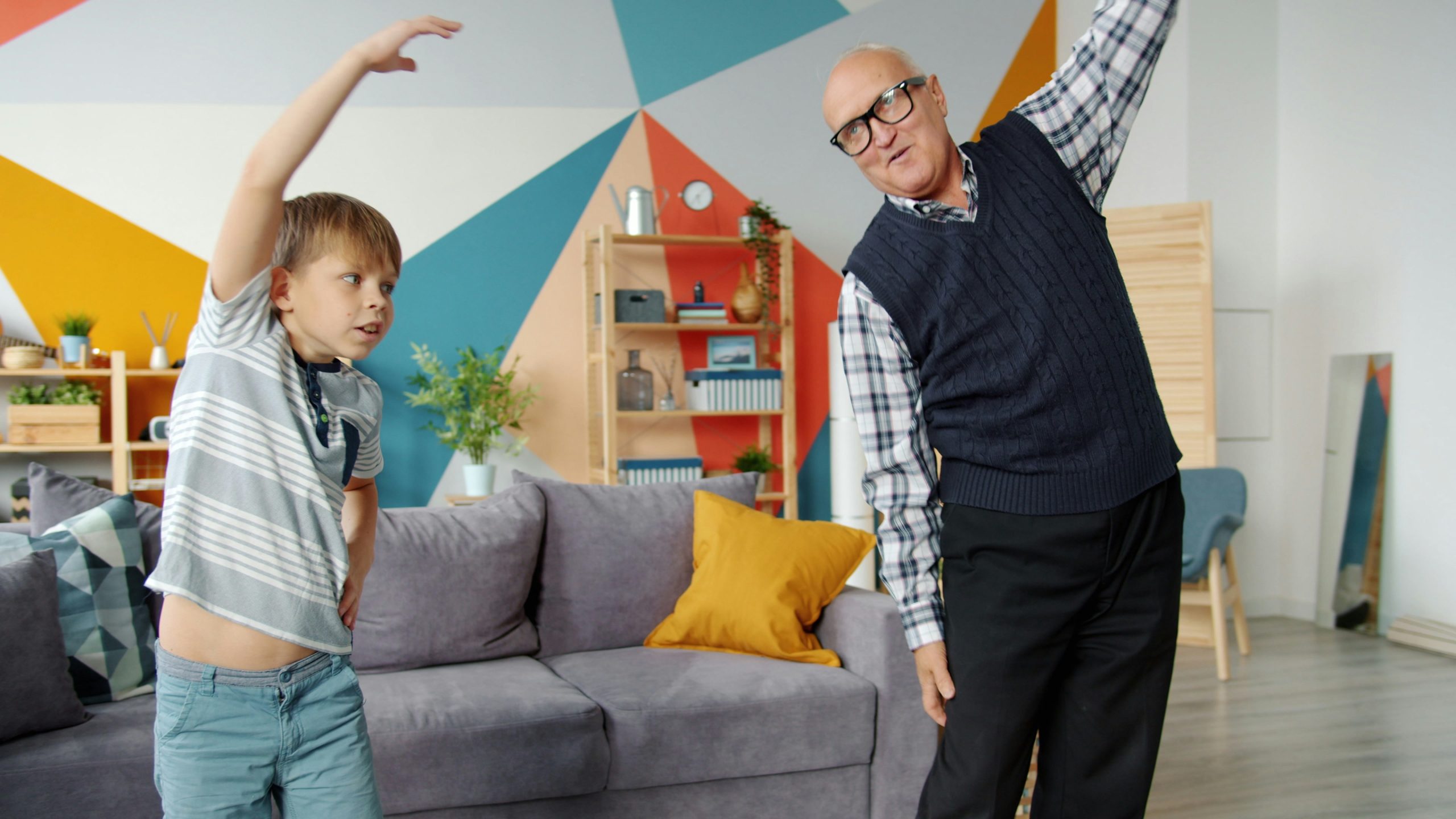
    This means making movement part of everyday life, moving more when you can, and reducing the amount of time spent sitting or lying down.

    Physical activity does not have to mean sport, gyms or intense exercise. It can include walking, cycling, gardening, dancing, swimming, household tasks, active travel, or anything that gets the body moving.

    The important thing is to build movement into daily life in a way that feels realistic, safe and sustainable.

    Why this matters

    World Cancer Research Fund reports strong evidence that physical activity can help protect against several cancers.

    The evidence is particularly strong for colon cancer, post-menopausal breast cancer and endometrial cancer. WCRF also reports probable evidence that vigorous physical activity can help REDUCE the risk of pre-menopausal breast cancer.

    Physical activity also helps reduce the risk of excess weight gain. Because higher body weight is linked with several cancers, being active may also help reduce cancer risk indirectly by supporting a healthier body weight.

    What counts as physical activity?

    Physical activity includes any movement that uses energy.

    Moderate activity raises your heart rate and breathing, but still allows you to hold a conversation. This might include brisk walking, steady cycling, swimming, gardening, dancing or active housework.

    Vigorous activity makes you breathe harder and may make conversation more difficult. This might include running, fast cycling, fast swimming, aerobics, team sports or strength training.

    WCRF recommends being at least moderately physically active and following, or exceeding, national physical activity guidelines.

    For many adults, common public health guidance recommends aiming for at least 150 minutes of moderate activity each week, or 75 minutes of vigorous activity, alongside reducing long periods of sitting.

    Move more, sit less

    Modern life can make sitting the default.

    Many people spend long hours at desks, in cars, on sofas, or in front of screens. WCRF highlights that both adults and children should try to reduce sedentary time where possible.

    This does not mean everyone needs to train like an athlete. It means looking for small ways to bring movement back into ordinary life.

    That could mean walking short journeys, taking the stairs, cycling to work or school, standing up regularly, stretching during the day, joining a local walking or cycling group, or simply making time to move outdoors.

    How physical activity may affect cancer risk

    The relationship between movement and cancer risk is complex, but physical activity appears to influence the body in several important ways.

    It can help regulate body fat, inflammation, insulin resistance, hormones, immune function and metabolism. For some cancers, physical activity may also affect digestion and the time it takes food to move through the intestine.

    These changes may help create a healthier internal environment and reduce the chance of some cancers developing.

    Physical activity is also linked with wider health benefits, including lower risk of heart disease, high blood pressure, stroke, type 2 diabetes and depression.

    Practical ways to be more active

    Being physically active is not about perfection. It is about consistency.

    Helpful steps include:

    • Walking or cycling short journeys when possible
    • Breaking up long periods of sitting
    • Taking the stairs instead of the lift
    • Adding gentle movement to your morning or evening routine
    • Gardening, cleaning, dancing or moving around the home
    • Joining a local walking, swimming, cycling or exercise group
    • Choosing activities you enjoy, rather than forcing something you hate
    • Starting small and building slowly over time

    If you have a health condition, injury, disability, or have not been active for a long time, it is sensible to seek advice from a qualified health professional before making major changes.

    A compassionate note

    Movement should not be about punishment.

    It should not be about guilt, comparison or forcing the body beyond what is safe. It should be about care, strength, freedom and the possibility of feeling more alive in your own body.

    For some people, being active is easy. For others, it is limited by illness, disability, pain, time, money, confidence, safety, work, caring responsibilities, or the places they live.

    This recommendation is not about blaming individuals. It is about helping more people understand the value of movement, while also recognising that healthier environments, safer streets, better public spaces and active travel options can make movement easier for everyone.

    From the road

    This expedition is built on movement.

    Every day on the bicycle is a reminder that the body is not only something we live in. It is something that carries us through the world.

    But being physically active does not need to mean cycling across a continent. It can begin with one walk, one stretch, one short ride, one decision to stand up and move.

    Small movements matter. Repeated movements matter. Over time, they become part of how we care for ourselves and for the people who love us.

    I am cycling across Europe in memory of my mum, whom I lost to cancer, and to raise awareness of cancer prevention and funds in aid of World Cancer Research Fund.

    Source and attribution

    This page is based on World Cancer Research Fund’s Cancer Prevention Recommendation: Be physically active.

    Please visit the World Cancer Research Fund website to read the full recommendation and evidence summary.

    Important note

    This page is for general information only. It is not medical advice and should not replace guidance from your GP, dietitian or another qualified health professional.

  • Be a Healthy Weight

    Be a Healthy Weight

    Cancer Prevention Recommendation

    One of World Cancer Research Fund’s Cancer Prevention Recommendations is to be a healthy weight.

    This means aiming to stay within a healthy weight range throughout life and, where possible, avoiding gradual weight gain during adulthood.

    This recommendation is not about appearance. It is about long-term health, reducing risk, and giving the body the best possible conditions to live well.

    Why this matters

    World Cancer Research Fund reports strong evidence that carrying higher levels of body fat increases the risk of several cancers.

    The evidence is especially strong for cancers of the oesophagus, pancreas, liver, colorectum, post-menopausal breast, kidney and endometrium. WCRF also reports probable links between greater body fatness and cancers of the mouth, pharynx and larynx, stomach cardia, gallbladder, ovary and advanced prostate cancer.

    Maintaining a healthy weight is therefore one of the most important lifestyle choices connected with cancer prevention.

    What does a healthy weight mean?

    For many adults, body mass index, often called BMI, and waist measurement can be useful ways to understand weight and health risk.

    WCRF refers to a healthy adult BMI range of 18.5 to 24.9. However, BMI is not a perfect measure for everyone. It may be less reliable for athletes, people with a lot of muscle, older adults, pregnant women, people under 1.5 metres tall, children and teenagers, and some ethnic groups.

    If you are unsure what a healthy weight means for you personally, it is best to speak with a qualified health professional.

    How body weight may affect cancer risk

    The relationship between body fatness and cancer is complex.

    Higher levels of body fat can influence the body in several ways, including through inflammation, insulin resistance and changes in hormone levels. These changes may create conditions that make some cancers more likely to develop.

    This is why cancer prevention is not only about one food, one habit or one number on a scale. It is about the patterns we build over time.

    Practical ways to support a healthy weight

    A healthy weight is usually supported by everyday habits rather than extreme diets.

    Helpful steps include:

    • Moving more in daily life, in whatever way is realistic for you
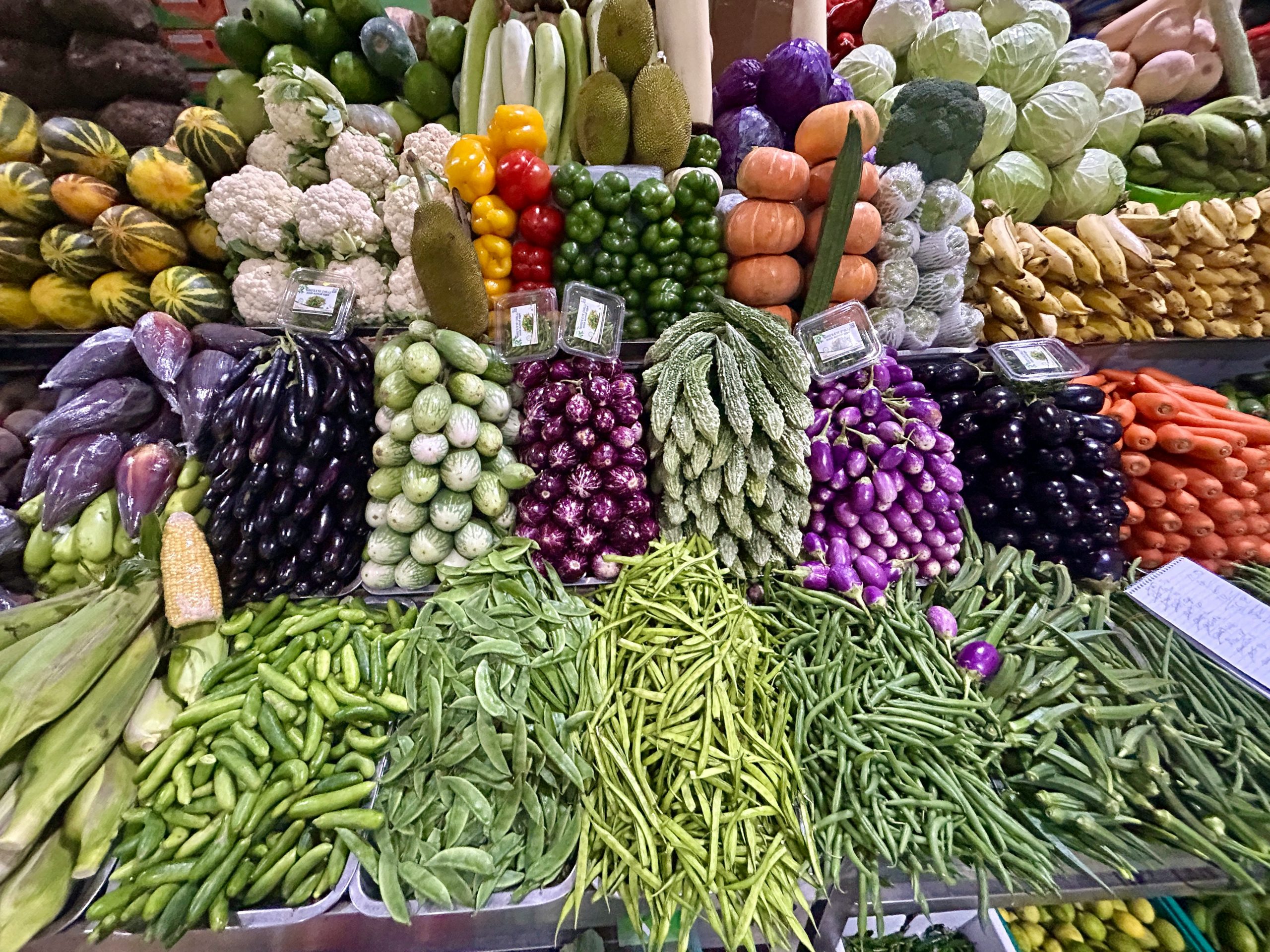
    • Eating meals built around wholegrains, vegetables, fruit and beans
    • Limiting fast foods and highly processed foods that are high in fat, starches or sugars
    • Choosing water or unsweetened drinks instead of sugar sweetened drinks
    • Reducing long periods of sitting where possible
    • Building habits that are sustainable, not punishing

    Small changes repeated over time can matter.

    A compassionate note

    Weight is personal. It is also influenced by many things beyond individual willpower, including food availability, work patterns, family life, income, local environments, health conditions and wider society.

    This recommendation should never be used to shame anyone.

    The purpose is not perfection. The purpose is awareness, support and healthier choices made possible for more people.

    From the road

    Cycling across Europe is a daily reminder that health is built one choice at a time.

    A ride begins with one pedal stroke. A meal begins with one ingredient. A healthier life begins with one decision that can be repeated tomorrow.

    Being a healthy weight is not about chasing an ideal body. It is about caring for the body we live in, respecting the life we have, and reducing risk where we can.

    This journey is dedicated to the memory of my mum, whom I lost to cancer, and to a simple message of hope: healthier lives are possible, and prevention matters.

    Source and attribution

    This page is based on World Cancer Research Fund’s Cancer Prevention Recommendation: Be a healthy weight.

    Please visit the World Cancer Research Fund website to read the full recommendation and evidence summary.

    Important note

    This page is for general information only. It is not medical advice and should not replace guidance from your GP, dietitian or another qualified health professional.

  • Day 4 – Ghent to Gravaalbos En Omgeving

    Day 4 – Ghent to Gravaalbos En Omgeving

    From the canals of Ghent to a forest bivak zone near Meldert.

    I left Ghent with the feeling that I was leaving more than a city.

    After two nights with Kevin and his housemates, after the garden, the rain, the bed they kindly offered me, and the meal I cooked for them, Ghent had become part of the journey in a very human way. It was no longer just a beautiful Belgian city on the map. It was a place where strangers had made space for me, where I had rested, dried out, cooked, shared stories, and felt looked after.

    That is what makes leaving places difficult on a journey like this.

    You arrive tired.

    People welcome you.

    You begin to feel connected.

    Then, almost as soon as that connection begins to form, you pack the bicycle and leave again.

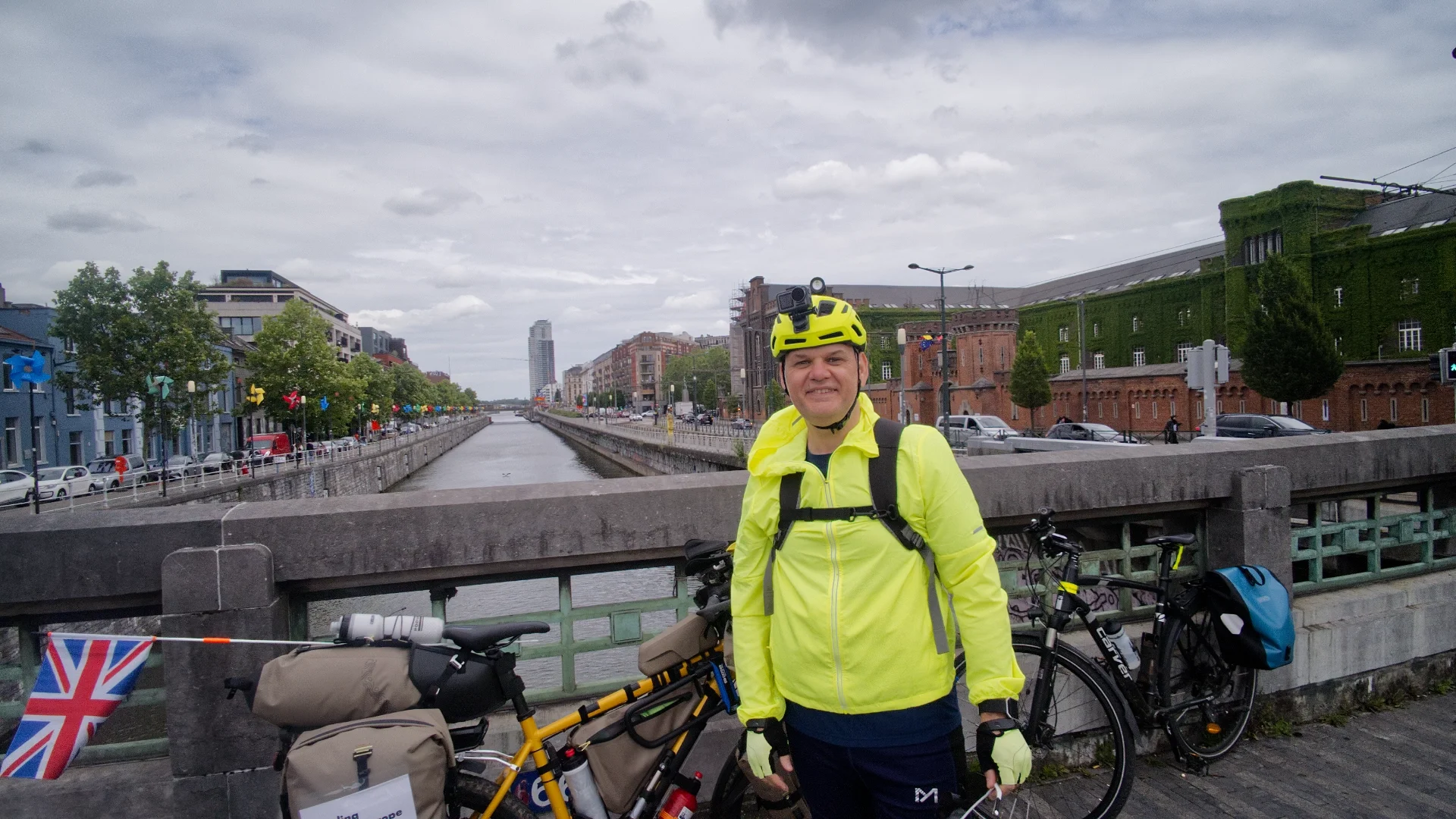
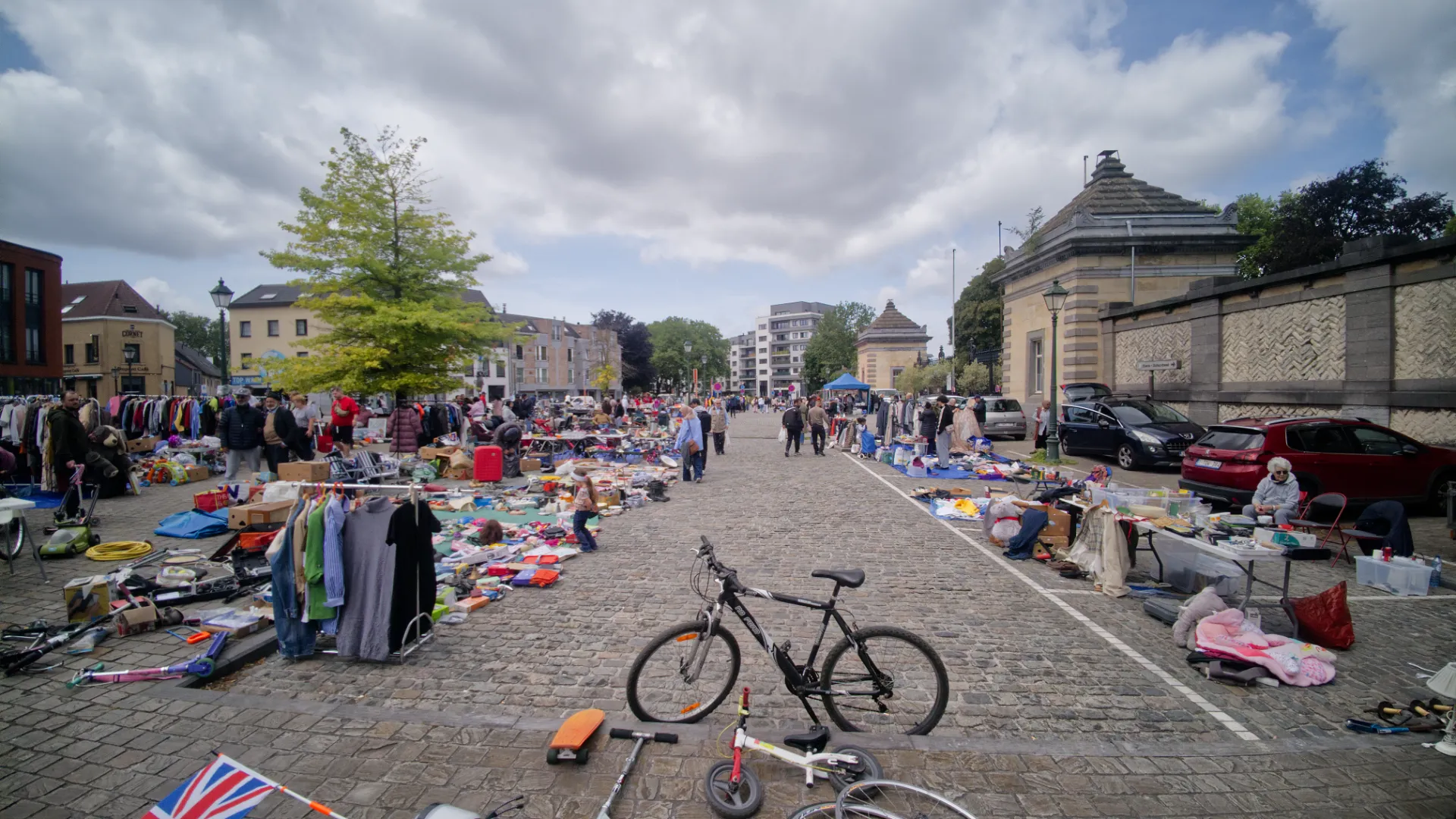
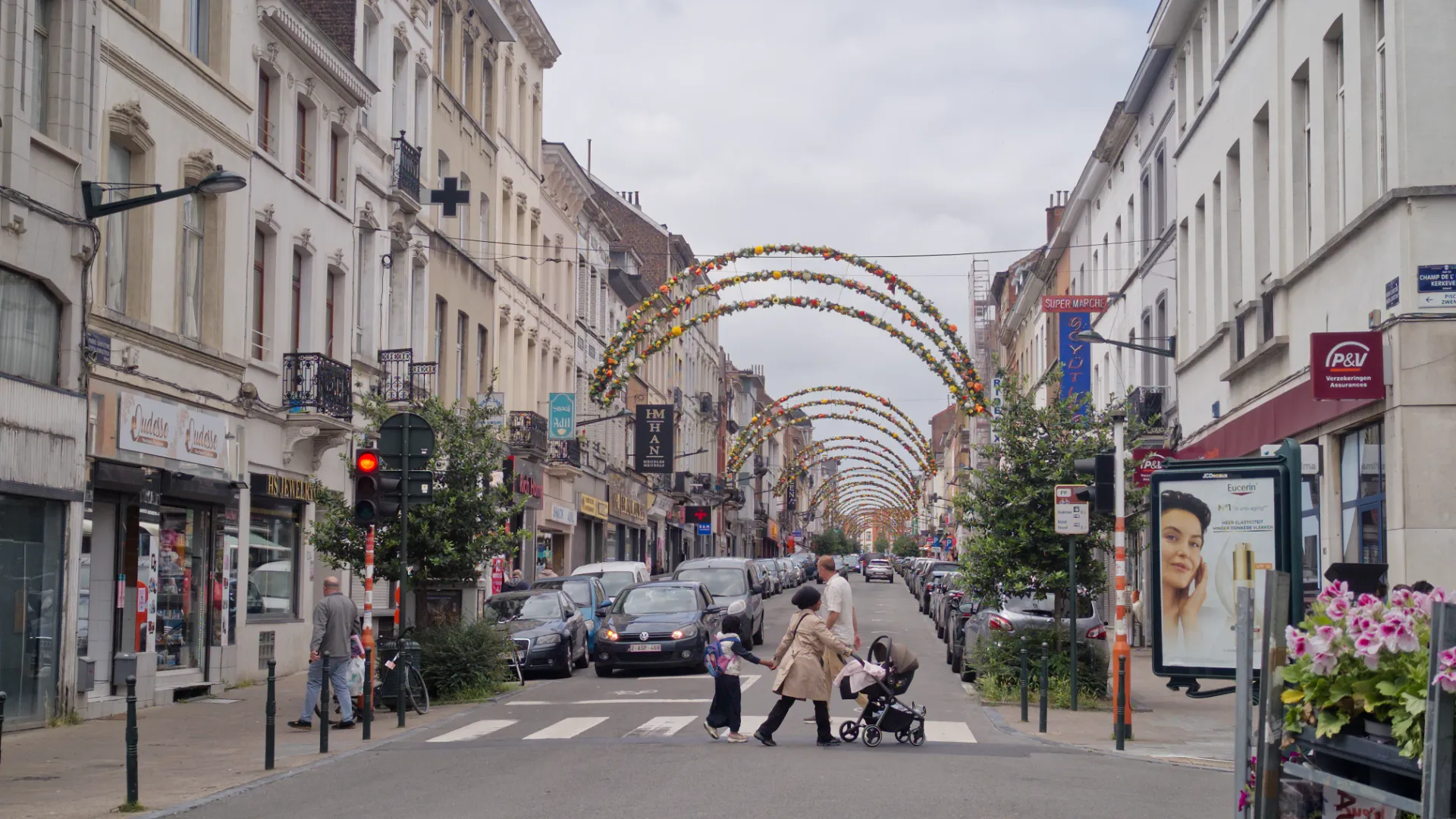
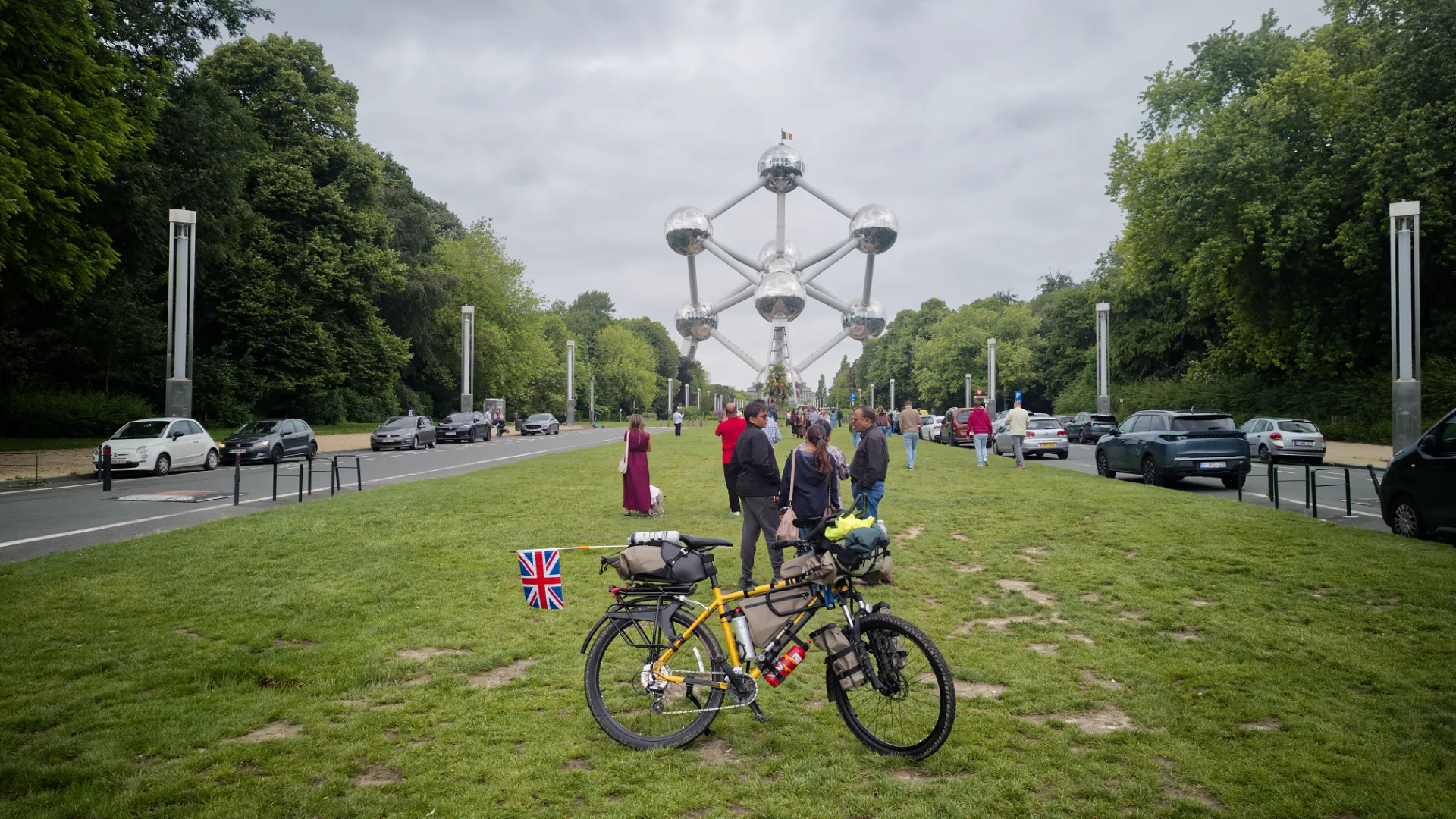
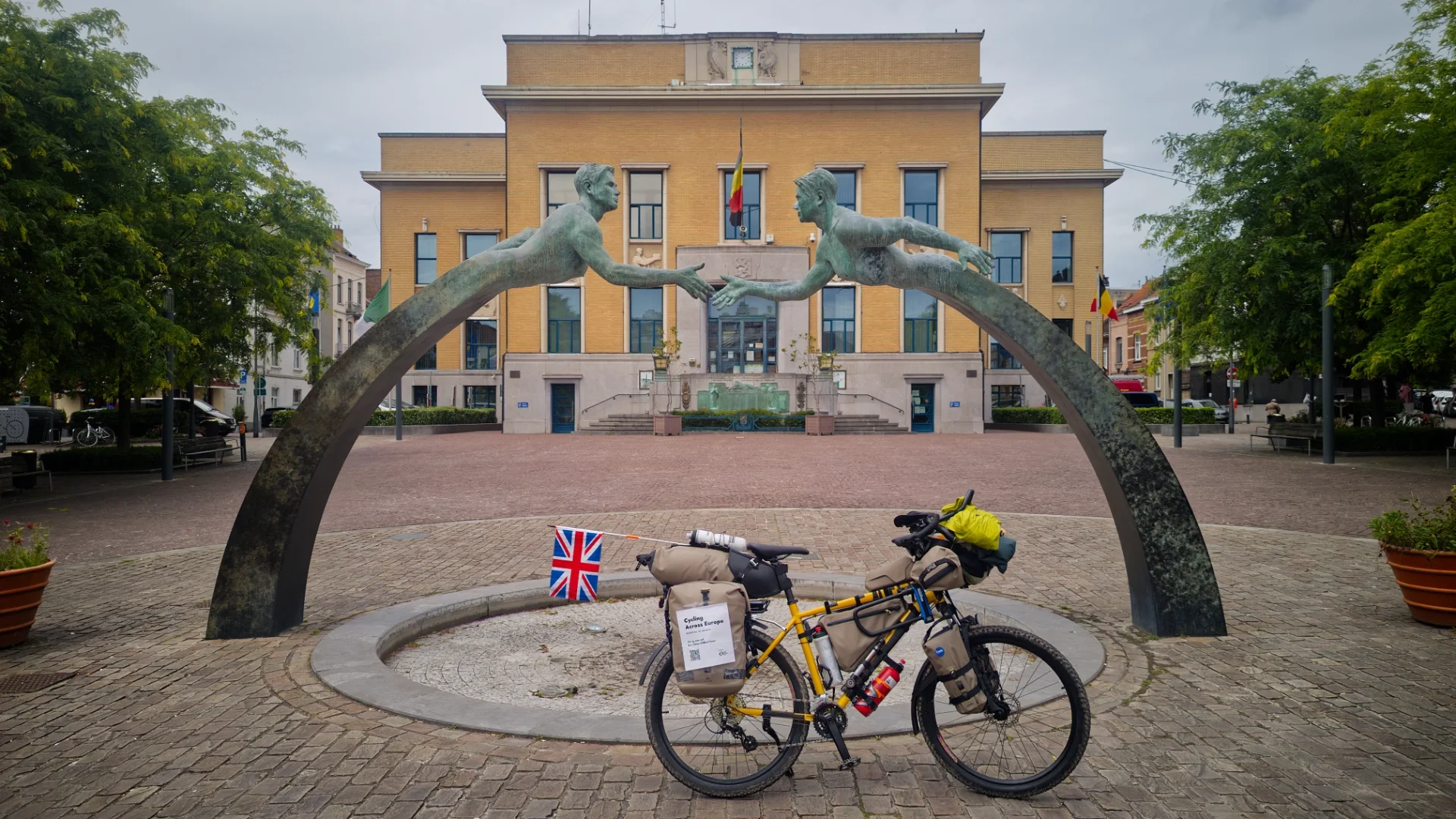
    On Day 4, I started making my way towards Brussels.

    Brussels was the first capital city of the expedition, and reaching it felt important. It would be the first official capital city message of Cycling Across Europe for a Future Without Cancer. It would be the first time the wider idea of the journey, capital cities, community, cancer prevention, and hope, would begin to take shape on the road.

    But I did not want to rush there.

    Day 4 – Ghent to Gravaalbos En Omgeving | View the detailed route on komoot.

    The route from Ghent towards Brussels offered another kind of story first.

    I left the beautiful streets and waterways of Ghent and began following the Scheldt River Cycle Path. There is something calming about cycling beside a river. The road feels guided. The water seems to carry the day forward, even when your legs are tired and the bike feels heavy.

    The Scheldt became a companion for part of the ride.

    After the city, the route opened into quieter landscapes. The movement of Ghent slowly disappeared behind me, replaced by cycle paths, fields, small roads, villages, and the rhythm of the bicycle. This is the kind of riding that does not always look dramatic in photographs, but it is where the expedition breathes.

    These are the spaces between the big places.

    The miles where you think.

    The roads where the mind wanders back to home, to your purpose, to your body, to the people you have met, to the people you have lost.

    The more I ride, the more I realise that the journey is not only about reaching cities. It is also about what happens between them.

    A quiet path.

    A village.

    A field of horses.

    A local conversation.

    A forest.

    A meal.

    A place to pitch a tent.

    The road took me through Aalst, a city that gave the day a different kind of energy. After the quieter roads, Aalst felt lively, built up, and full of everyday movement. I passed through knowing that Brussels was getting closer, but I was already thinking about where to sleep before reaching it.

    Long-distance cycling is full of these practical thoughts.

    Where will I stop?

    Will there be water?

    Will there be food?

    Will the weather hold?

    Will I find somewhere safe to sleep?

    From Aalst, the route continued through more rural stretches, past horse farms and open land. Horses have a peaceful presence when you pass them by bicycle. They look up, watch for a moment, and return to their own world. There is no rush in them. No urgency. Just strength and stillness.

    The road eventually took me towards the Kluizenbos natural reserve. The landscape became greener, quieter, and more enclosed. After the city and the open roads, the approach to the forest felt like a gentle lowering of the volume.

    I had decided to stop for the night at the Stinnekesaan bivak zone in Meldert, in the Gravaalbos area.

    A bivak zone is a simple thing, but when you are travelling by bicycle, simplicity can feel like luxury. A patch of ground. A place where you are allowed to stop. A place where the day can end.

    The Stinnekesaan bivak zone was on private land, tucked beside the green surroundings, and next to it was Café Stinne.

    That small detail changed the whole evening.

    I pitched my tent, grateful to have somewhere to sleep, then went to Café Stinne for dinner. I expected food, perhaps a quiet meal, and then an early night in the tent.

    Instead, I found people.

    Local people.

    Conversation.

    Curiosity.

    Warmth.

    They asked about the bicycle, the journey, the distance, the countries, and why I was doing it. I told them about the expedition, about cycling across 41 countries, about raising awareness for cancer prevention, and about fundraising in aid of the World Cancer Research Fund.

    At Café Stinne, surrounded by people I had only just met, the mission became real again. Not as a website, a campaign page, or a planned route, but as a conversation across a table.

    That is the heart of this expedition.

    To cycle.

    To meet people.

    To share food.

    To talk about how we live, how we move, how we eat, and how we look after one another.

    By the time I returned to my tent, the day felt complete.

    Not because I had reached the capital.

    Not yet.

    But because I had reached another human moment on the road.

  • Day 3 – Diksmuide to Ghent

    Day 3 – Diksmuide to Ghent

    From quiet Belgian roads to the kindness of Kevin and his housemates

    By the third morning, the expedition had begun to feel less like a beginning and more like a life.

    The first day had carried me from London to Dunkirk. The second day had taken me from France into Belgium. Now, on Day 3, I woke up in Diksmuide with the road stretching towards Ghent.

    The ordinary routine that was already becoming familiar.

    Pack the bags.

    Check the bicycle.

    Look at the map.

    Say thank you.

    Start cycling.

    It sounds simple, but every morning on a journey like this asks something of you. You have to gather yourself again. You have to choose the road again. You have to accept that yesterday’s kilometres do not ride today’s distance for you.

    After saying goodbye to Jurgend, I left Diksmuide and began cycling towards Ghent, following a route that carried me through the quiet heart of Flanders.

    The map showed a line across villages, fields, smaller roads, train bridges, stretches near highways, and towns that appeared and disappeared with the rhythm of the pedals. Bruges sat further north on the map, Kortrijk further south, but my road cut across the middle, through places that felt more local, more ordinary, and perhaps because of that, more revealing.

    These are the roads where a cycling expedition becomes real.

    Not the famous squares.

    Not the capital cities.

    Not the landmarks everyone already knows.

    But the smaller roads where people are going to work, bakeries are opening their doors, trains pass overhead, and a loaded bicycle becomes part of the day’s passing scenery.

    Somewhere along the route, I reached the village of Zarren.

    I stopped at JohAnn Patisserie for a snack, thinking only of food, energy, and the kilometres still ahead. But, as so often happens on the road, a simple stop became a conversation.

    They were curious about the bicycle, the bags, and the journey. I told them that I was cycling across Europe, around 23,000 kilometres through 41 countries, in memory of my mum.

    And then they did something incredibly kind.

    They stocked me up with food, pastries, and milk.

    It is difficult to explain how much moments like this matter when you are cycling long distance. Food becomes more than food. A drink becomes more than a drink. A kind word becomes more than a kind word.

    When you are carrying everything on a bicycle, exposed to the weather, the road, the wind, the weight, and the unknown, generosity lands differently. It does not feel small. It feels like someone has reached into the day and made it lighter.

    I left Zarren with food in my bags and gratitude in my chest.

    The road continued.

    The landscape changed slowly. Scenic roads opened into villages. Villages gave way to wider roads. Train bridges rose ahead and disappeared behind me. At times I cycled near highways, with cars and lorries moving quickly in the distance while I moved at the pace of my own legs.

    There is something strange and beautiful about cycling near fast roads.

    Everything around you seems to be in a hurry. Engines, schedules, destinations, speed. But on the bicycle, you cannot pretend. You move as fast as your body can carry you. You feel every incline, every change in surface, every gust of wind, every extra kilogram on the bike.

    And yet, because of that, you notice more.

    You notice the colour of the fields.

    You notice the shape of a church tower in a village.

    You notice the smell of bread from a bakery.

    You notice a bridge before you cross it.

    You notice how far Ghent still feels, and then how suddenly it begins to feel close.

    The route carried me through and near towns such as Tielt, Deinze, and De Pinte before the final approach into Ghent. Each one felt like another small marker on the day’s story. Not a place where I stayed, but a place that helped carry me forward.

    By then, I was tired.

    Not broken. Not defeated. But tired in the honest way that a loaded bike makes you tired. It was the kind of tiredness that enters the shoulders, the legs, the hands, and the mind. The kind of tiredness that makes you deeply aware that this expedition is not only an idea about hope. It is also weight, rain, hunger, navigation, and persistence.

    Then Ghent appeared.

    What a beautiful city.

    After the smaller roads and long stretches across the Flemish landscape, arriving in Ghent felt almost dreamlike. Water, bridges, old buildings, movement, bicycles, trams, people, life. It had the feeling of a city shaped by history and water, but still very much alive in the present.

    There are cities that receive you loudly.

    Ghent received me beautifully.

    I cycled into the city with the strange emotion that comes after a long day on the road. Part exhaustion, part relief, part wonder. I had left Diksmuide that morning and somehow, one pedal stroke at a time, I had arrived here.

    That evening, I stayed with Kevin and his housemates.

    The first night, I pitched my tent in Kevin’s garden. It felt simple and peaceful. A garden, a tent, a safe place to sleep. After three days on the road, that was already enough to feel grateful.

    But the next day, the weather turned.

    Heavy rain arrived, and with it the reminder that this journey will not always be romantic. Rain changes everything when you are living from a bicycle. It changes how you pack, how you rest, how you dry clothes, how you sleep, and how quickly small discomforts can become difficult.

    Kevin and his housemates saw that and kindly offered me a bed inside the house.

    That kindness meant a great deal.

    A dry bed. A roof. A place indoors. A little warmth. A chance to stop fighting the weather for a moment.

    There is a particular kind of generosity in letting someone into your home, especially someone travelling through with a bicycle, bags, wet clothes and the dust of the road. It says: you can rest here. You are safe here. You do not have to be outside tonight.

    I wanted to return that kindness in the way that felt most natural to me.

    So I cooked.

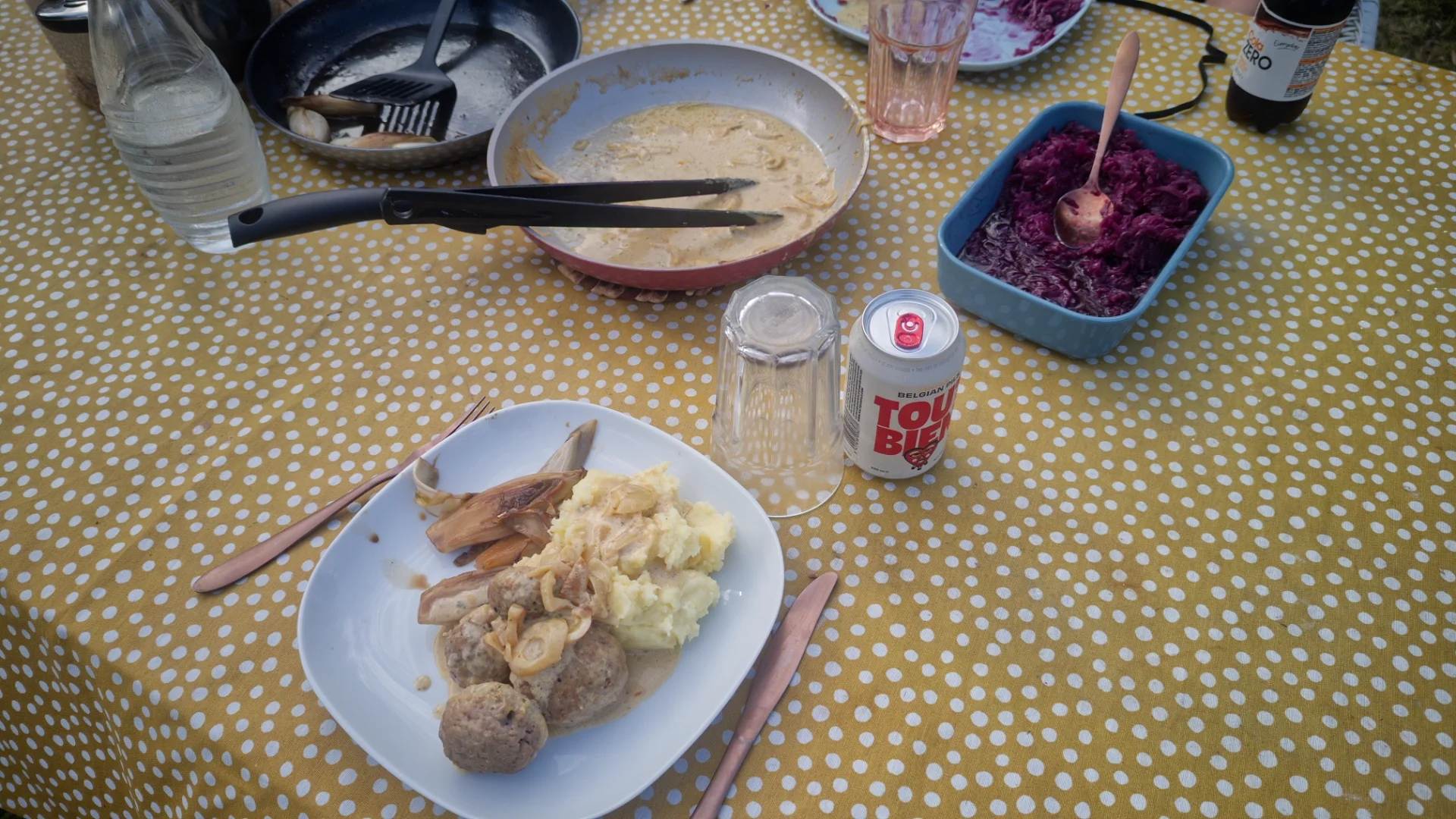
    Chicken in fresh tomato sauce with potatoes and vegetables.

    A simple meal, but cooked with gratitude.

    Food has always been at the heart of this journey. My mum loved to cook. Some of my strongest memories of her are connected to food, to the smell of something warm coming from the kitchen, to the feeling that a meal can hold more than ingredients. It can hold love. It can hold memory. It can hold care.

    Day 3 took me from Diksmuide to Ghent.

    Through villages, roads, bridges, towns, bakeries, rain, and kindness.

    From Jurgend’s welcome to Kevin’s garden.

    From the quiet roads of Flanders to the beautiful city of Ghent.

    And once again, the road reminded me that this journey is made of more than kilometres.

    It is made of people.

  • Day 2 – Dunkirk to Diksmuide

    Day 2 – Dunkirk to Diksmuide

    Day 2 of Cycling Across Europe for a Future Without Cancer

    I woke up in Dunkirk with the strange feeling that the journey had already changed shape overnight.

    The day before, everything had been a beginning. Leaving home. Big Ben. St Pancras. Dover. The ferry across the Channel. The first kilometres in France. My first host, Pauline.

    But Day 2 felt different.

    There was no crowd now. No friends on the train. No symbolic starting point. No dramatic farewell.

    Just me, the bicycle, the bags, and the plan that I had to keep moving.

    After saying goodbye to Pauline, I stopped for a coffee in a cosy cafe in Dunkirk. It was a small pause, but it mattered. I sat there with the loaded bike nearby and let the reality of the journey settle a little deeper.

    The first day had carried me out of London and across the sea. The second day was asking a simpler question:

    Can you wake up tomorrow and do it again?

    That is what a journey like this really is. Not one heroic departure, but a thousand ordinary recommitments. You wake up. You pack. You drink coffee. You look at the map. You clip in. You ride.

    From Dunkirk, I began making my way towards Belgium.

    The route carried me east, away from the ferry port and into the open coastal landscape near Bray Dunes. The loaded bicycle still felt heavy beneath me, and I was still learning its rhythm. Every bag had a voice. Every small movement of weight reminded me that this was not a short ride, not a weekend escape, not a training loop back to familiar roads.

    This was the road now.

    I cycled past Bray Dunes, with the North Sea not far away and the sense of the border quietly approaching. There was something beautiful about that first full morning on the continent. The landscape did not announce itself loudly. It unfolded slowly. Roads, paths, canals, low skies, wide fields, and the feeling of moving through Europe at human speed.

    On a bicycle, borders are not like they are on maps.

    On the map, the line is clear. France ends. Belgium begins.

    On the road, it is gentler. A sign. A change in language. A shift in road markings. A small feeling that you have crossed into another story.

    This was my first international border crossing by bicycle on the expedition.

    London already felt far away.

    After Bray Dunes, the route took me across the Canal de Furnes. Water has a way of slowing the mind. I stopped noticing only the distance and began noticing the rhythm of the day. The turning of the pedals. The weight of the bike. The wind. The sound of tyres on the path. The quiet companionship of canals, always leading somewhere.

    There is a kind of peace in cycling beside water. It does not ask questions. It just moves. Or waits. Or reflects the sky.

    Somewhere along the way, I stopped outside a property where a couple were working.

    They looked busy, in the middle of their day. I did not want to interrupt them for long, but the day was hot and I was running low on water, so I asked whether they might be able to refill my bottles.

    They did more than that.

    They filled them with fresh, cold water, the kind of water that feels like a gift when you have been cycling under the weight of a loaded bike. Then, with the easy generosity of people who understand what the road can take out of you, they also offered me two cans of icy cold refreshments.

    It was such a small encounter, and yet it stayed with me.

    Between Dunkirk and Diksmuide, I began to understand that this expedition would not only be about the big places. The capital cities matter, of course. Brussels, Amsterdam, Berlin, Copenhagen, and all the others will carry the public message of the campaign.

    But the soul of the journey may live in these smaller roads.

    The quiet roads.

    The villages.

    The people who open their homes.

    The places you would never really know unless you arrived tired, hungry, exposed to the weather, and moving slowly enough to be changed by them.

    The road led me through Veurne, a town that felt like a threshold between the coast and the Belgian countryside. I passed through with the sense that the expedition was beginning to find its pace. Not fast. Not easy. But real.

    Each kilometre was no longer preparation.

    Each kilometre counted.

    This journey began in memory of my mum, who I lost to cancer far too young. As I rode through that first Belgian landscape, I thought again about why I was doing this. Not only to cross countries. Not only to make a film. Not only to tell stories.

    I am riding because grief needs somewhere to go.

    I am riding because my mum’s memory deserves to travel through places she never saw, carried not as sadness alone, but as purpose.

    The message of this journey is simple: how we eat, how we move, how we live, and how we come together all matter. They are not guarantees. They are not magic. But they are part of the conversation we need to keep having, in homes, in kitchens, in villages, in cities, and on the road.

    By the time I reached Diksmuide, I was tired in a different way from the day before.

    Day 1 had been emotional.

    Day 2 was physical.

    The bicycle was heavy. The distance was real. The road had begun to test the romantic idea of the expedition against the practical truth of it. This was going to take patience, discipline, humility, and the willingness to accept help.

    And then came Jurgend.

    At the end of the day, he welcomed me.

    That welcome meant everything.

    There is a moment, when you arrive at a host’s place after a long day of cycling, when the whole body exhales. You are no longer searching. You are no longer calculating the next turn. You are no longer wondering where you will sleep.

    Someone has made space for you.

    Someone has said: you can rest here.

    After leaving Pauline in Dunkirk that morning, drinking coffee, riding past Bray Dunes, crossing the Canal de Furnes, passing through Veurne, and reaching Diksmuide, I arrived into another act of kindness.

    That is already becoming one of the great truths of this journey.

    Day 2 – Dunkirk to Diksmuide | View the detailed route on komoot.

    The road is long, but people make it possible.

    Day 2 took me from France into Belgium. From the first host to the second. From the coast towards the countryside. From the excitement of departure into the reality of continuing.

    And perhaps that is where the journey truly begins.

    Not when you leave.

    But when you wake up the next morning, look at the road, and choose to keep going

  • Day 1 – London to Dunkirk

    Day 1 – London to Dunkirk

    The opening day of Cycling Across Europe for a Future Without Cancer.

    There are mornings that do not feel real until they are already behind you.

    For months, this journey had lived inside conversations, documents, maps, messages, training rides, sleepless nights, equipment lists, doubts, and hope. It had been a sentence I kept repeating to myself and to others:

    I am going to cycle across Europe for a Future Without Cancer.

    Then, suddenly, it was no longer an idea.

    It was Sunday morning.

    The house was quiet in that strange way a home becomes quiet when you are about to leave it for a long time. The bags were packed. The bicycle was loaded. I looked at everything one last time, not knowing exactly when I would return, or who I would be when I did.

    Friends and family had gathered to see me off. That meant more than I can easily explain.

    Andrew, Laurence, Aman, Suzy, Boyed, Konstantina.

    There is a particular kind of courage that comes from not leaving alone, even when the road ahead is yours to ride. Their presence softened the enormity of the moment. We took the train into London together, with the bike and the bags, carrying this impossible dream towards its first public step.

    Big Ben was the beginning.

    Standing there in London, surrounded by familiar faces, I felt the weight of the journey more clearly than ever. Not only the physical weight of the bicycle, which already felt as though I had packed my whole life onto it, but the emotional weight of what this ride means.

    I thought of my mum.

    I thought of the people I have lost to cancer.

    I thought of all the people across Europe I have not met yet, whose stories are waiting somewhere on the road ahead.

    This journey is dedicated to my mum, who I lost to cancer far too young. It is also a ride for hope, for cancer prevention, for community, and for the belief that everyday choices, what we eat, how we move, how we live, can shape our long-term health.

    At Big Ben, the expedition became visible. A man, a bicycle, a few friends, and a continent ahead.

    From there, we made our way to St Pancras.

    Train stations are strange places to begin an adventure. Everyone is going somewhere, but most people are only passing through. Commuters, tourists, families, cyclists, people with coffee in one hand and luggage in the other. I was one of them, and not one of them. My destination was not just Dover. It was Brussels, Amsterdam, Berlin, Copenhagen, Oslo, Stockholm, Helsinki, Tallinn, Riga, Vilnius, Warsaw, and far beyond.

    But every vast journey has to begin with a small, practical step.

    So I boarded the train to Dover.

    On the train, the nerves began to settle into something quieter. I was moving. That alone changed everything. The months of preparation were no longer behind a screen or inside a notebook. The journey had entered the world.

    There were fellow cyclists too, and already the road was doing what the road does best: connecting strangers. We talked about bikes, routes, ferries, plans, and the peculiar madness of choosing to travel slowly in a world that keeps telling us to hurry.

    I have always loved that about cycling. It creates conversations. It removes distance between people. A loaded bicycle is an invitation. People ask where you are going, why you are going, how far you have come, and whether you are completely mad. Sometimes the answer to all of those questions is yes.

    At Dover, the sea appeared.

    That was the first real threshold.

    London had been emotion. St Pancras had been transit. Dover was departure.

    The ferry crossing carried me out of one chapter and into another. The white cliffs slowly disappeared behind me, and with them the life I had known until that morning. Ahead was France, Belgium, the Netherlands, Germany, and the long northern arc of the route.

    I stood with the bike and thought about how many times I had imagined this moment.

    The first ferry.

    The first border.

    The first evening on the continent.

    The first unknown road.

    When the ferry arrived in Dunkirk, I rolled off the boat and into the beginning of Europe.

    Dunkirk greeted me not with drama, but with calm. The kind of calm that comes after a day of emotion, and logistics. I cycled through the town with the loaded bike, still learning how it handled under the weight. Every turn felt new. Every street felt like part of the first page.

    There was also something quietly beautiful about arriving in Dunkirk. It is a place with deep history, a name many people associate with evacuation, survival, and crossing water under difficult circumstances. For me, arriving there marked a gentler crossing, but still one filled with meaning. I had left home, crossed the Channel, and arrived by bicycle on the European mainland.

    The expedition had begun.

    That night, I stayed with my first host, Pauline.

    I will always remember that.

    On a journey like this, the first host matters. The first act of kindness matters. It sets the tone. It reminds you that, although you are riding alone, you are not really alone. There will be people along the way who open a door, offer a garden, share a meal, make space, and turn an unknown place into shelter.

    Pauline welcomed me at the end of that first day. After the emotion of leaving home, the train to London, Big Ben, St Pancras, Dover, the ferry, and the first kilometres in France, her kindness felt like a landing place.

    Not just physically, but emotionally.

    I had made it.

    Day 1 – London to Dunkirk | Follow Agis on komoot

    Day one was complete.

    The bicycle was safe. I had somewhere to sleep. The journey was no longer something I was about to do. It was something I was doing.

    That night in Dunkirk, I felt tired, grateful, and quietly overwhelmed. There was a whole continent ahead of me, but for the first time, I did not need to think about all of it. I only needed to think about that day.

    Leaving home.

    My friends.

    My family.

    Big Ben.

    St Pancras.

    Dover.

    The ferry.

    Dunkirk.

    Pauline.

    The first host. The first kindness. The first journal entry.

    I do not know yet what this journey will ask of me. I do not know how many hard days, beautiful days, lonely days, generous days, and unexpected days are waiting on the road. But I know why I started.

    I started because cancer took my mum far too young.

    I started because I believe her memory can travel further than grief.

    I started because I want to meet people and share their stories.

    I started because I want to tell people about the life-saving work the World Cancer Research Fund is doing.

    And on the first day, from London to Dunkirk, all of that became real.

    The road is open now.