Cancer Prevention Recommendation
One of World Cancer Research Fund’s Cancer Prevention Recommendations is that, after a cancer diagnosis, people should follow the Cancer Prevention Recommendations, if they can.
This recommendation applies to people living with and beyond cancer. That includes people who are currently living with cancer, people having treatment, and people who have recovered from cancer.
The phrase “if you can” is essential.
After a cancer diagnosis, every person’s situation is different. Treatment, symptoms, side effects, appetite, weight changes, fatigue, surgery, medication, emotional health, other medical conditions and personal circumstances can all affect what is possible.
This recommendation should always be followed with guidance from appropriately trained health professionals.
Why this matters
World Cancer Research Fund explains that the evidence on diet, nutrition, physical activity, body weight and outcomes after a cancer diagnosis is still developing.
The available evidence is more limited than the evidence used for general cancer prevention. There is a lack of randomised controlled trials, and many observational studies do not fully account for important factors such as cancer type, cancer subtype, treatment type, treatment intensity or other health conditions.
Because of this, WCRF does not present highly specific lifestyle recommendations for every cancer survivor or every type of cancer.
However, WCRF advises that, unless a trained health professional says otherwise, people living with and beyond cancer should follow the Cancer Prevention Recommendations as far as possible after the acute stage of treatment.
Professional guidance comes first
After a cancer diagnosis, personalised care matters.
WCRF states that cancer survivors should receive care and guidance from trained professionals about nutrition and physical activity.
This is important because cancer and cancer treatment can affect the body in many different ways.
Some people may need to maintain weight. Some may need to regain strength. Some may need to manage weight loss, difficulty eating, digestive changes, swallowing problems, fatigue, pain, nausea, changes in taste, bowel changes, muscle loss, or other treatment effects.
For some people, the priority may not be weight loss or dietary change. It may be getting enough energy, protein and nutrients to support treatment, recovery or quality of life.
This is why general cancer prevention guidance should never replace advice from an oncology team, GP, dietitian, physiotherapist, specialist nurse or another qualified health professional.
What does this recommendation mean in everyday life?
For many people, following the recommendations after a cancer diagnosis may mean returning, gradually and safely, to the same broad principles that support cancer prevention generally.
These include:
- Being a healthy weight, where this is appropriate for you
- Being physically active in a safe and sustainable way
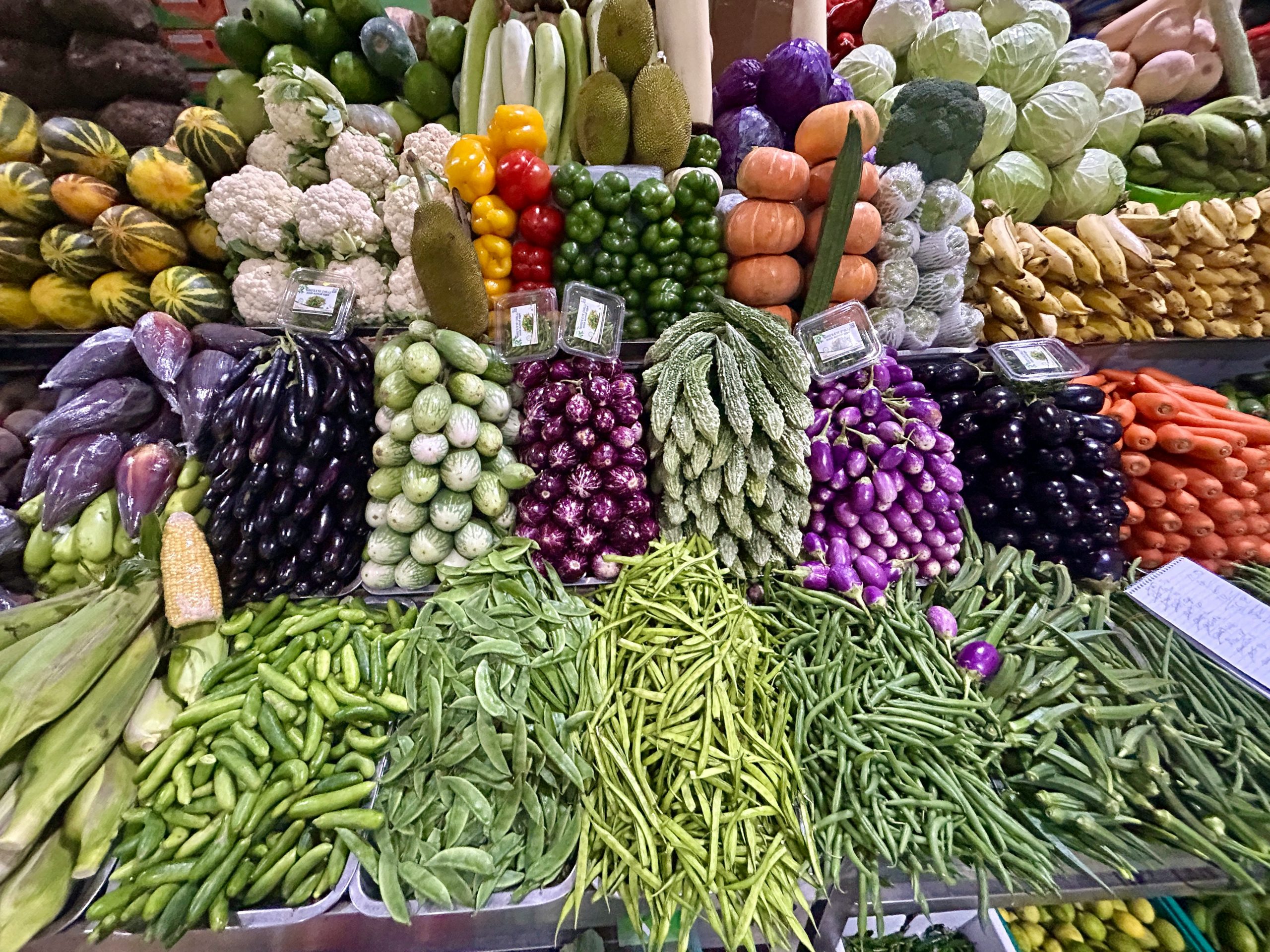
- Eating a diet rich in wholegrains, vegetables, fruit and beans
- Limiting fast foods and highly processed foods high in fat, starches or sugars
- Limiting red meat and eating very little, if any, processed meat
- Drinking mostly water and unsweetened drinks
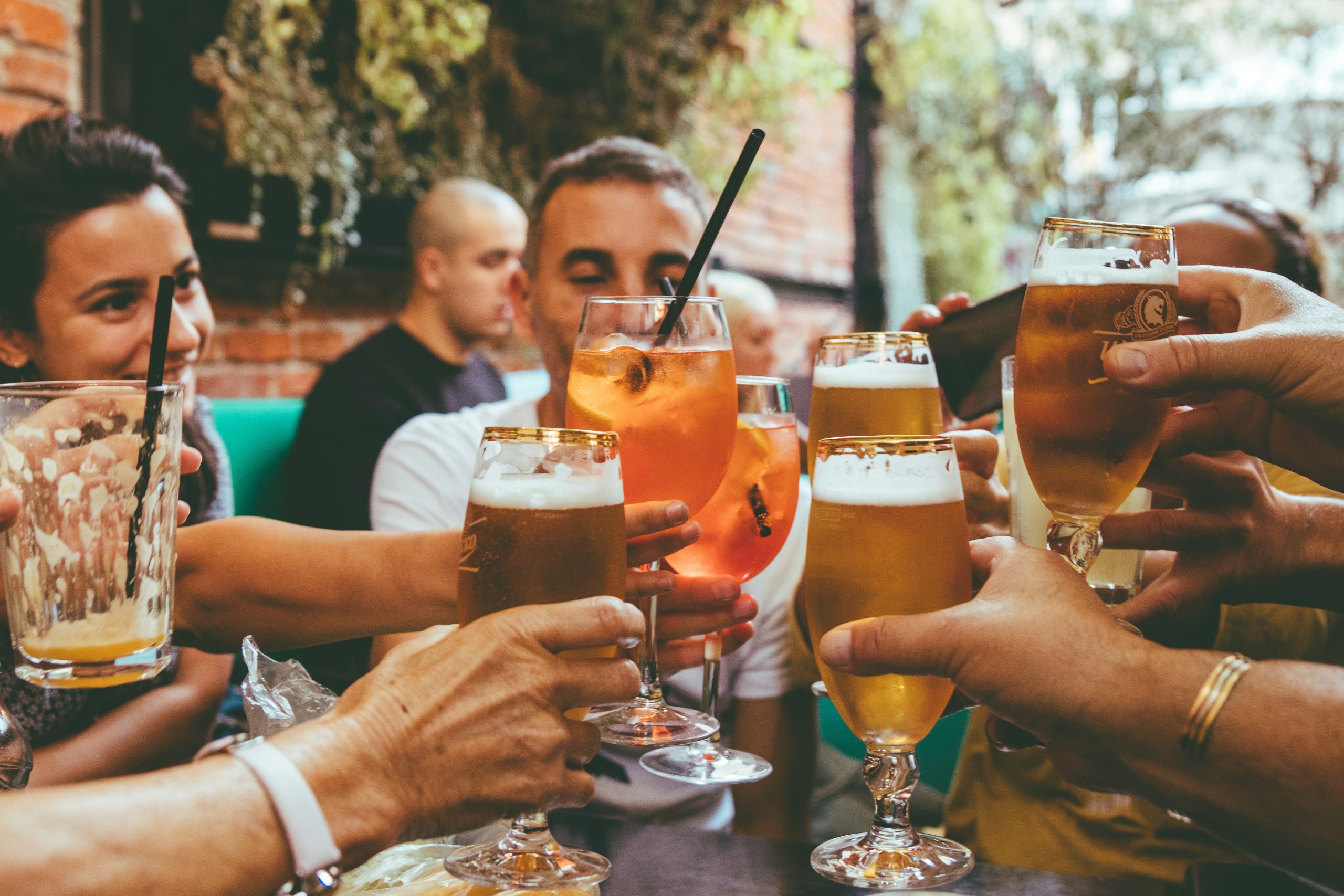
- Limiting alcohol, and for cancer prevention, not drinking alcohol is best
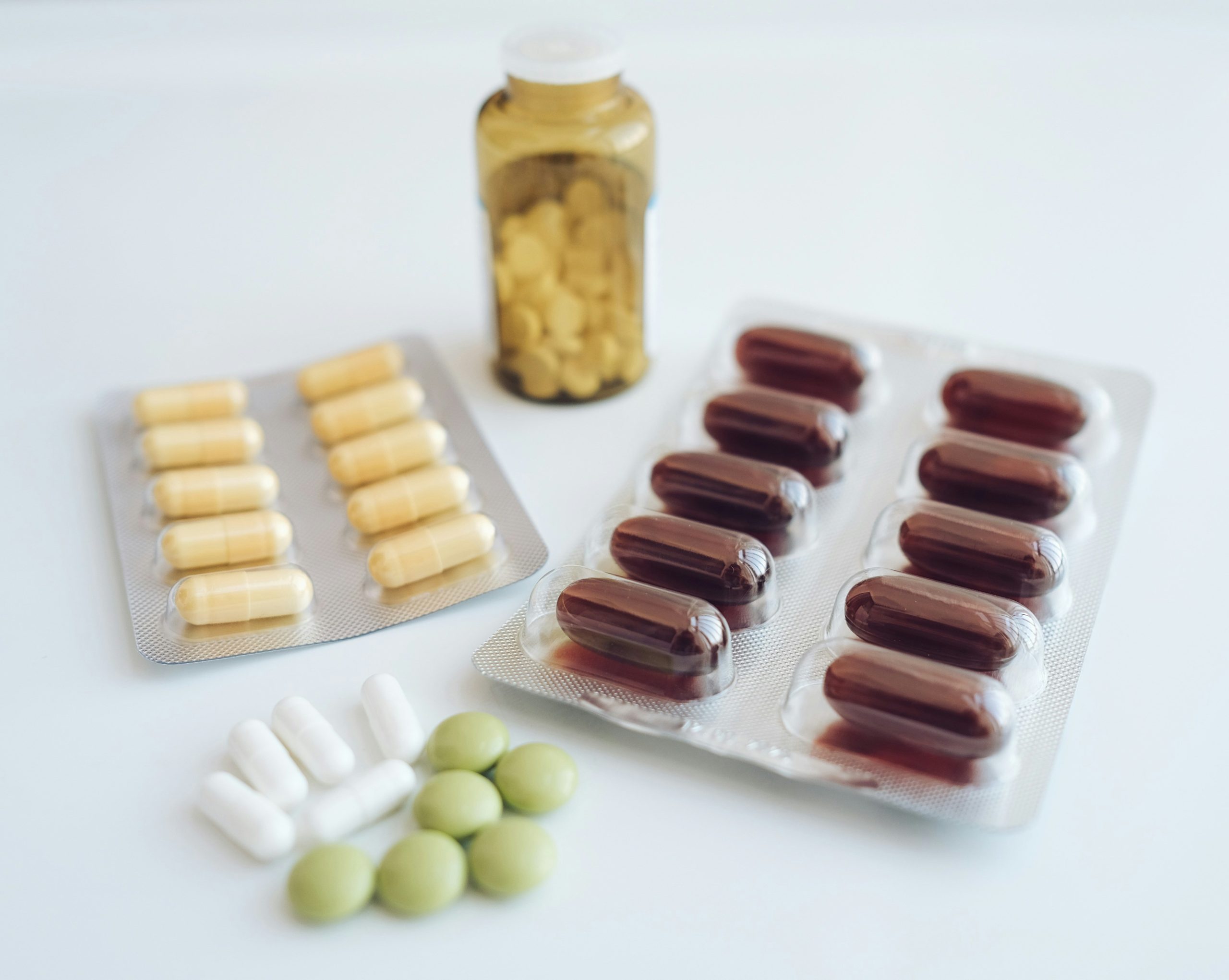
- Not using supplements as a cancer prevention strategy unless advised by a health professional
These are not rules to force on someone during a difficult time.
They are principles that may help support long-term health when they are safe, realistic and appropriate.
During treatment and recovery
During cancer treatment, nutritional needs can change.
Some people may need specialist dietary support. Some may need temporary changes that do not look like standard healthy eating advice. For example, someone may need higher energy foods, easier to swallow meals, texture modified foods, oral nutrition supplements, or help managing side effects.
After treatment, some people may also have long-term changes in how they eat, digest, absorb or tolerate food.
In later stages of cancer, the priority may be comfort, symptom management, maintaining strength, slowing weight loss, or supporting quality of life.
These are clinical situations where professional guidance is essential.
The right advice depends on the person, the cancer, the treatment, and the stage of care.
Physical activity after a cancer diagnosis
Physical activity may support health and wellbeing for some people after a cancer diagnosis, but it should be approached carefully and personally.
WCRF notes that there is growing evidence that physical activity and other measures that help manage weight may improve survival and health-related quality of life after a breast cancer diagnosis.
Physical activity may also help some people feel stronger, improve confidence, support mood, reduce fatigue, and regain a sense of control.
But the right level of activity will vary.
For one person, it may be a short walk. For another, it may be gentle stretching, physiotherapy exercises, gardening, swimming, cycling, or a structured rehabilitation programme.
The aim is not to push through illness. The aim is to move safely, in a way the body can manage, with professional support where needed.
Supplements after a cancer diagnosis
Supplements should be treated with care after a cancer diagnosis.
WCRF states that, unless specifically advised by an appropriately trained professional, the evidence does not support using supplements to improve survival.
This does not mean that supplements are never needed. Some people may require vitamin D, iron, calcium, vitamin B12, oral nutrition supplements, or other products for medical reasons.
However, supplements should not be taken as a cancer treatment, a survival strategy, or a replacement for food or medical care unless recommended by a qualified professional.
Some supplements can interact with cancer treatments or other medicines, so it is important to discuss them with your healthcare team.
A compassionate note
Life after a cancer diagnosis can be frightening, exhausting and overwhelming.
People may be dealing with treatment, uncertainty, grief, fear, pain, body changes, fatigue, financial pressure, family responsibilities, or the emotional weight of living with cancer.
This recommendation should never be used to make anyone feel that they caused their cancer, failed their recovery, or must now live perfectly.
Cancer is complex. No lifestyle recommendation can guarantee prevention, cure or survival.
The purpose of this guidance is to offer support, not pressure. It is about helping people make choices that may support health and wellbeing, where those choices are possible and appropriate.
“If you can” is not a small detail.
It is a reminder to meet people with care.
A wider issue
People living with and beyond cancer need more than information.
They need access to trained professionals, practical support, rehabilitation, safe places to be active, good food, financial security, emotional care, and health systems that recognise the complexity of life after diagnosis.
Cancer prevention and cancer survivorship are not only individual responsibilities.
They require communities, workplaces, healthcare systems and governments to create conditions where healthier lives are possible.
From the road
This expedition began with loss.
I lost my mum to cancer when she was 66. Too young. Too soon.
I cannot change what happened to her. I cannot bring her back. But I can carry her memory across Europe and use this journey to open conversations about health, prevention, evidence and care.
This recommendation feels different from the others because it speaks directly to people who have already heard the words no one wants to hear.
After a cancer diagnosis, life can become uncertain. The body can feel unfamiliar. Food, movement, weight, strength and hope can all change.
So this page is not here to tell anyone what they should have done.
It is here to say: you deserve support. You deserve guidance. You deserve care that understands your life, your treatment and your body.
And where it is possible, safe and right for you, the same everyday choices that help prevent cancer may also help support life after cancer.
This journey is in memory of my mum.
It is for everyone we have lost.
And it is for everyone still living, healing, recovering, adapting, hoping and carrying on.
Source and attribution
This page is based on World Cancer Research Fund’s Cancer Prevention Recommendation: After a cancer diagnosis, follow our Recommendations, if you can.
Please visit the World Cancer Research Fund website to read the full recommendation and evidence summary.
Important note
This page is for general information only. It is not medical advice and should not replace guidance from your GP, dietitian or another qualified health professional.