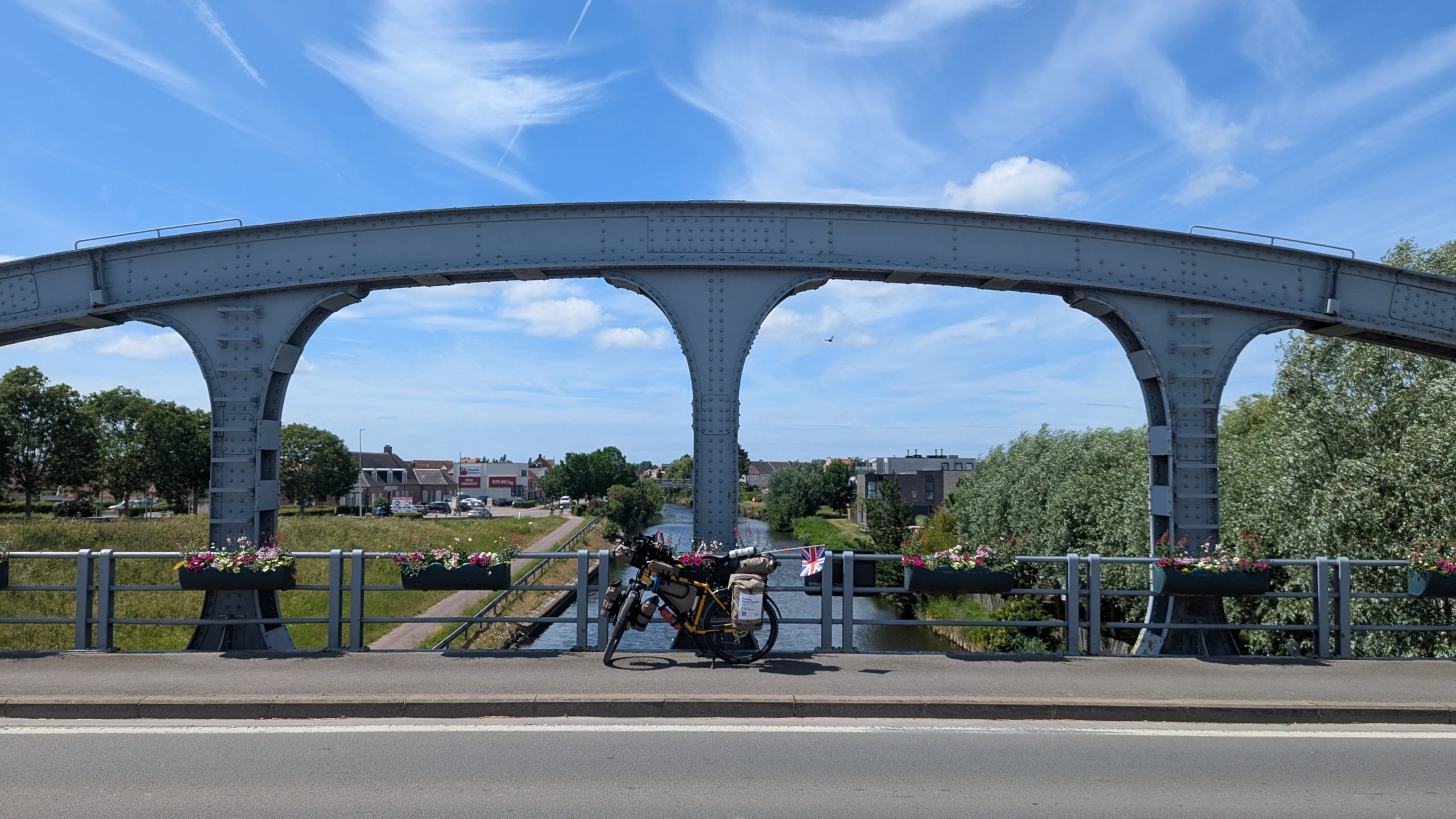
Day 2 of Cycling Across Europe for a Future Without Cancer
I woke up in Dunkirk with the strange feeling that the journey had already changed shape overnight.
The day before, everything had been a beginning. Leaving home. Big Ben. St Pancras. Dover. The ferry across the Channel. The first kilometres in France. My first host, Pauline.
But Day 2 felt different.
There was no crowd now. No friends on the train. No symbolic starting point. No dramatic farewell.
Just me, the bicycle, the bags, and the plan that I had to keep moving.
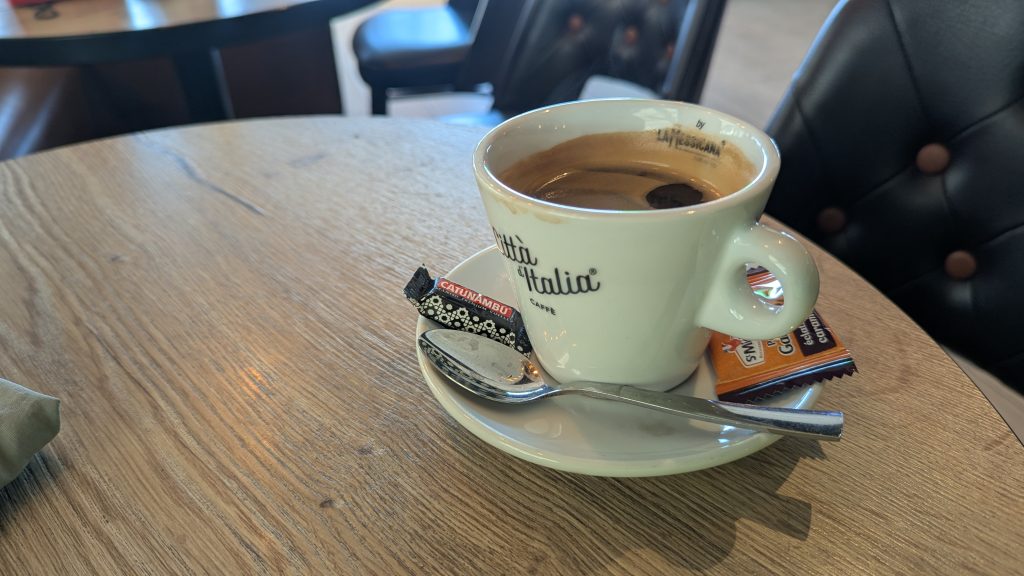
After saying goodbye to Pauline, I stopped for a coffee in a cosy cafe in Dunkirk. It was a small pause, but it mattered. I sat there with the loaded bike nearby and let the reality of the journey settle a little deeper.
The first day had carried me out of London and across the sea. The second day was asking a simpler question:
Can you wake up tomorrow and do it again?
That is what a journey like this really is. Not one heroic departure, but a thousand ordinary recommitments. You wake up. You pack. You drink coffee. You look at the map. You clip in. You ride.
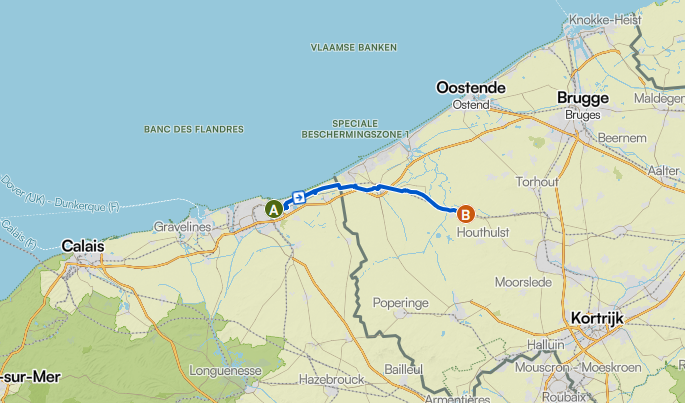
From Dunkirk, I began making my way towards Belgium.
The route carried me east, away from the ferry port and into the open coastal landscape near Bray Dunes. The loaded bicycle still felt heavy beneath me, and I was still learning its rhythm. Every bag had a voice. Every small movement of weight reminded me that this was not a short ride, not a weekend escape, not a training loop back to familiar roads.
This was the road now.
I cycled past Bray Dunes, with the North Sea not far away and the sense of the border quietly approaching. There was something beautiful about that first full morning on the continent. The landscape did not announce itself loudly. It unfolded slowly. Roads, paths, canals, low skies, wide fields, and the feeling of moving through Europe at human speed.
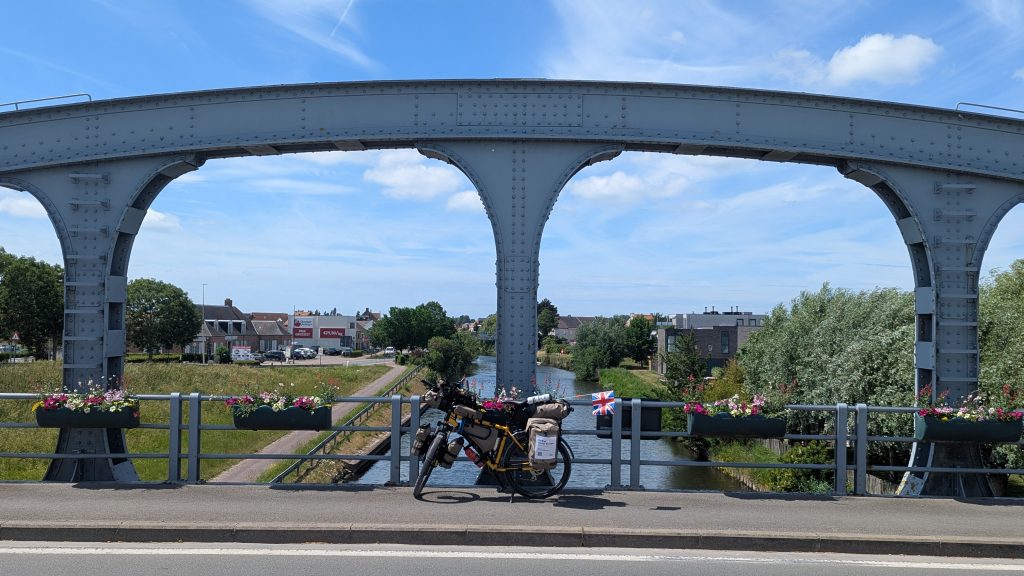
On a bicycle, borders are not like they are on maps.
On the map, the line is clear. France ends. Belgium begins.
On the road, it is gentler. A sign. A change in language. A shift in road markings. A small feeling that you have crossed into another story.
This was my first international border crossing by bicycle on the expedition.
London already felt far away.
After Bray Dunes, the route took me across the Canal de Furnes. Water has a way of slowing the mind. I stopped noticing only the distance and began noticing the rhythm of the day. The turning of the pedals. The weight of the bike. The wind. The sound of tyres on the path. The quiet companionship of canals, always leading somewhere.
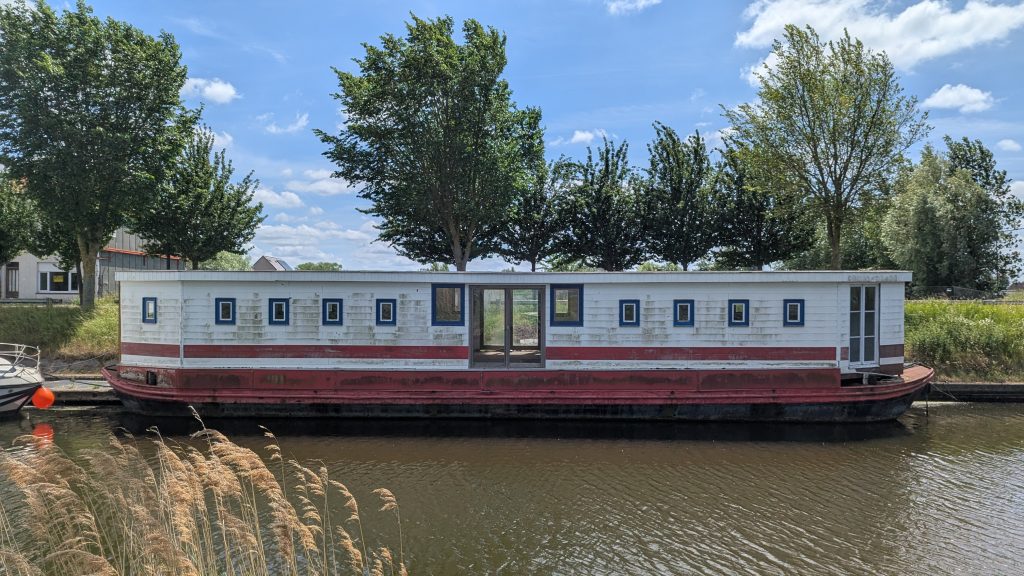
There is a kind of peace in cycling beside water. It does not ask questions. It just moves. Or waits. Or reflects the sky.
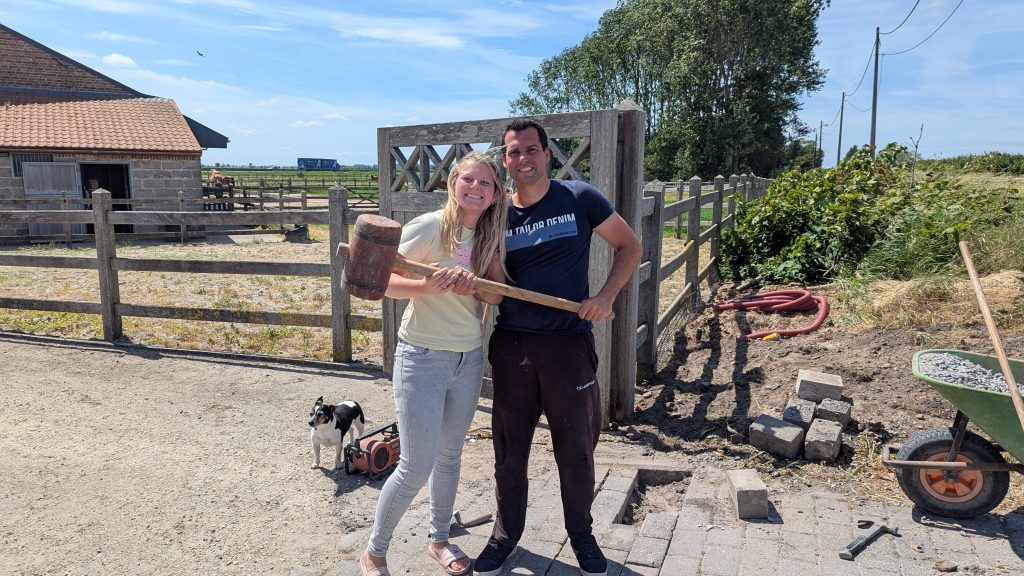
Somewhere along the way, I stopped outside a property where a couple were working.
They looked busy, in the middle of their day. I did not want to interrupt them for long, but the day was hot and I was running low on water, so I asked whether they might be able to refill my bottles.
They did more than that.
They filled them with fresh, cold water, the kind of water that feels like a gift when you have been cycling under the weight of a loaded bike. Then, with the easy generosity of people who understand what the road can take out of you, they also offered me two cans of icy cold refreshments.
It was such a small encounter, and yet it stayed with me.
Between Dunkirk and Diksmuide, I began to understand that this expedition would not only be about the big places. The capital cities matter, of course. Brussels, Amsterdam, Berlin, Copenhagen, and all the others will carry the public message of the campaign.
But the soul of the journey may live in these smaller roads.
The quiet roads.
The villages.
The people who open their homes.
The places you would never really know unless you arrived tired, hungry, exposed to the weather, and moving slowly enough to be changed by them.
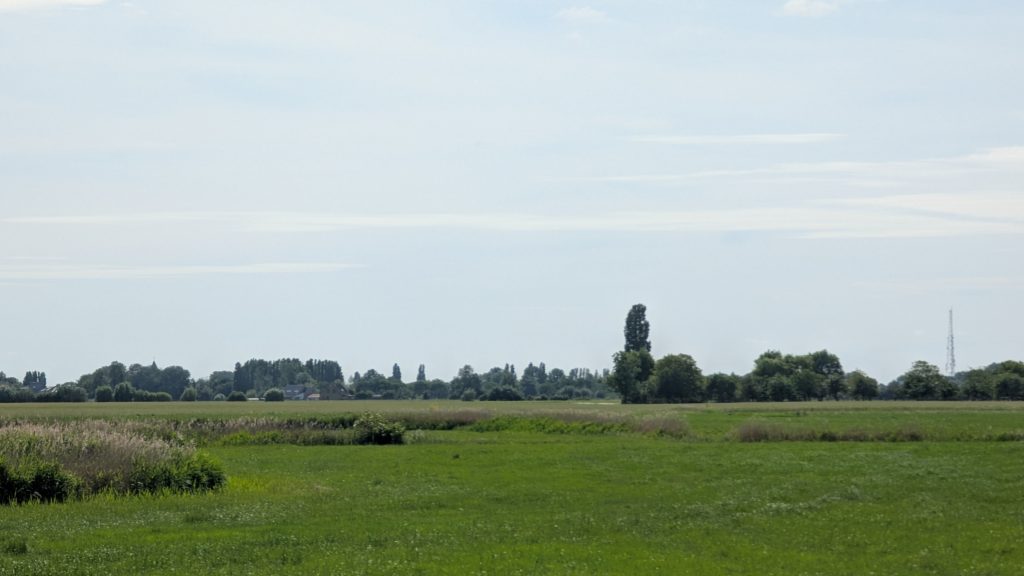
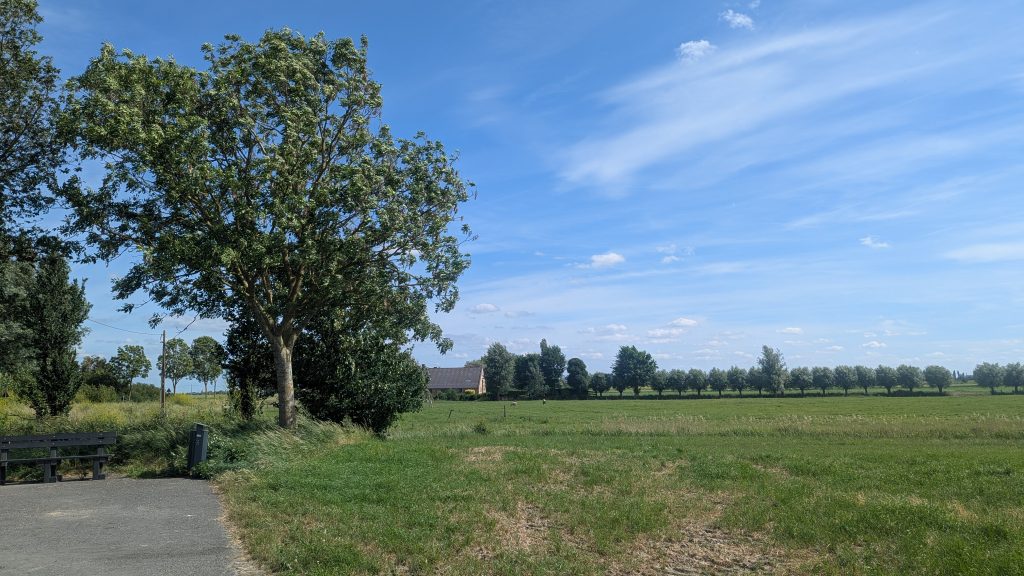
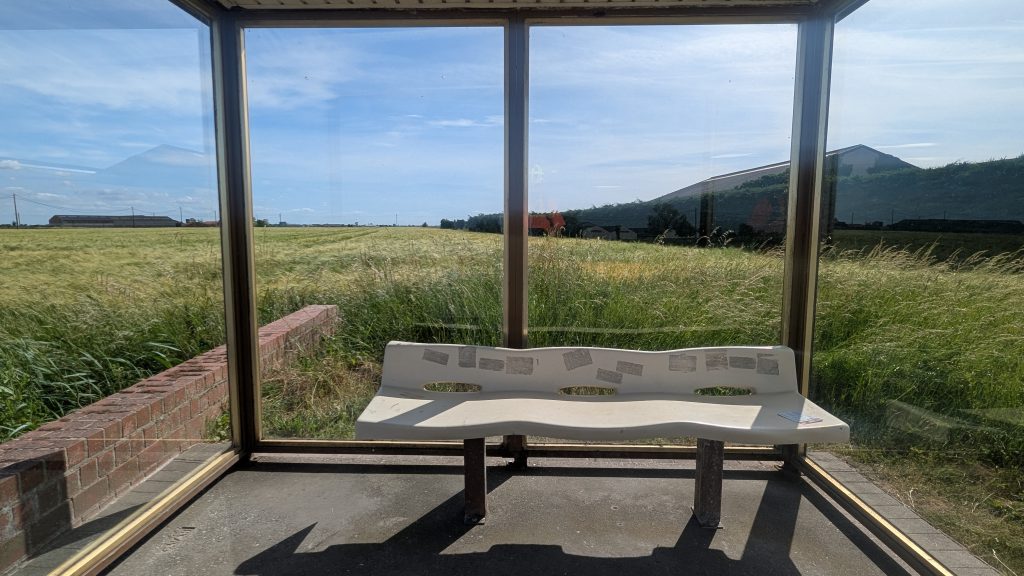
The road led me through Veurne, a town that felt like a threshold between the coast and the Belgian countryside. I passed through with the sense that the expedition was beginning to find its pace. Not fast. Not easy. But real.
Each kilometre was no longer preparation.
Each kilometre counted.
This journey began in memory of my mum, who I lost to cancer far too young. As I rode through that first Belgian landscape, I thought again about why I was doing this. Not only to cross countries. Not only to make a film. Not only to tell stories.
I am riding because grief needs somewhere to go.
I am riding because my mum’s memory deserves to travel through places she never saw, carried not as sadness alone, but as purpose.
The message of this journey is simple: how we eat, how we move, how we live, and how we come together all matter. They are not guarantees. They are not magic. But they are part of the conversation we need to keep having, in homes, in kitchens, in villages, in cities, and on the road.
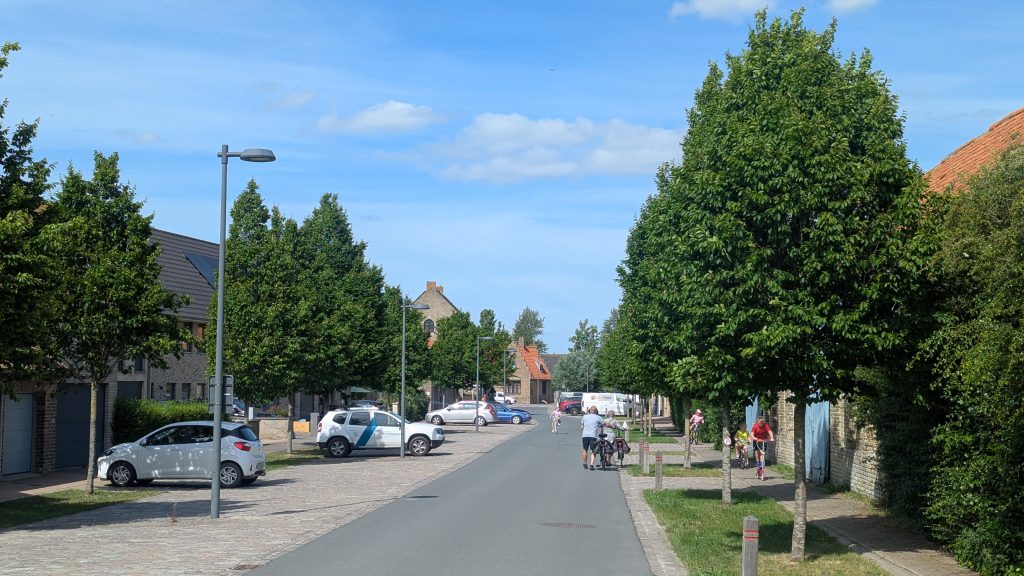
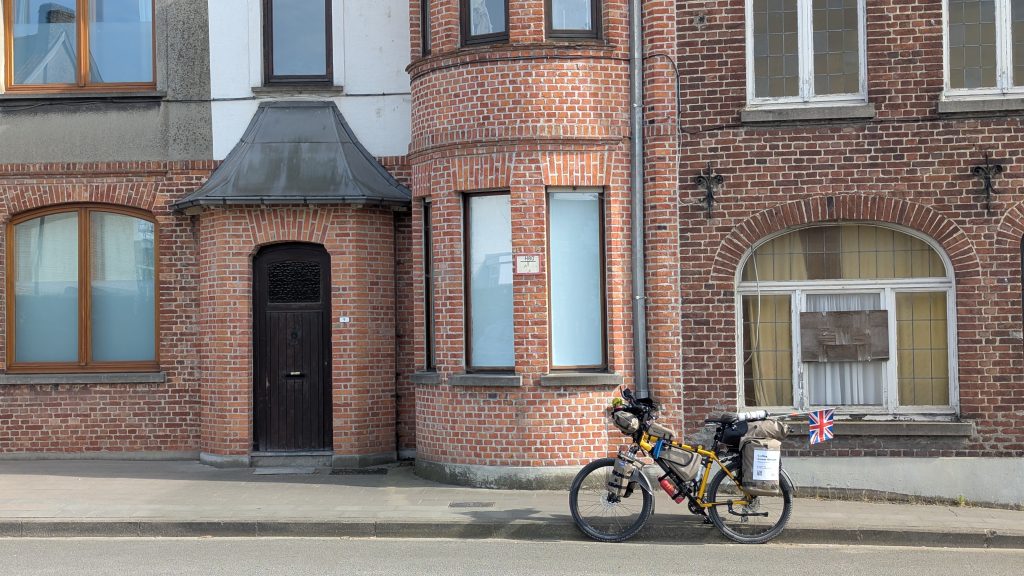
By the time I reached Diksmuide, I was tired in a different way from the day before.
Day 1 had been emotional.
Day 2 was physical.
The bicycle was heavy. The distance was real. The road had begun to test the romantic idea of the expedition against the practical truth of it. This was going to take patience, discipline, humility, and the willingness to accept help.
And then came Jurgend.
At the end of the day, he welcomed me.
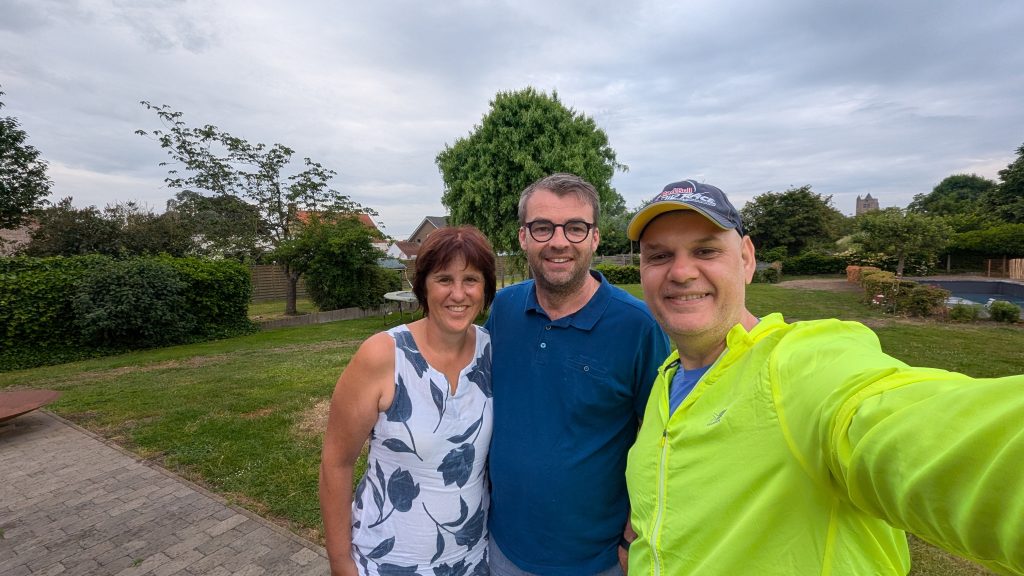
That welcome meant everything.
There is a moment, when you arrive at a host’s place after a long day of cycling, when the whole body exhales. You are no longer searching. You are no longer calculating the next turn. You are no longer wondering where you will sleep.
Someone has made space for you.
Someone has said: you can rest here.
After leaving Pauline in Dunkirk that morning, drinking coffee, riding past Bray Dunes, crossing the Canal de Furnes, passing through Veurne, and reaching Diksmuide, I arrived into another act of kindness.
That is already becoming one of the great truths of this journey.
The road is long, but people make it possible.
Day 2 took me from France into Belgium. From the first host to the second. From the coast towards the countryside. From the excitement of departure into the reality of continuing.
And perhaps that is where the journey truly begins.
Not when you leave.
But when you wake up the next morning, look at the road, and choose to keep going



Leave a Reply