For A Future Without Cancer
For A Future Without Cancer
Talking About Cancer Prevention

Evidence-based guidance for everyday life.
This section brings together the Cancer Prevention Recommendations from World Cancer Research Fund and explores them in a clear, practical, and easy to follow way.
The recommendations are about the everyday parts of life: food, physical activity, body weight, alcohol, breastfeeding, and the choices we make after a cancer diagnosis. They are not about blame or perfection. They are about understanding what the evidence tells us, and how small, realistic changes can support healthier lives over time.
Each page below explores one recommendation, why it matters, and how it connects with everyday life.
This information is for general awareness only and does not replace medical advice from a qualified health professional.
Explore the recommendations
-
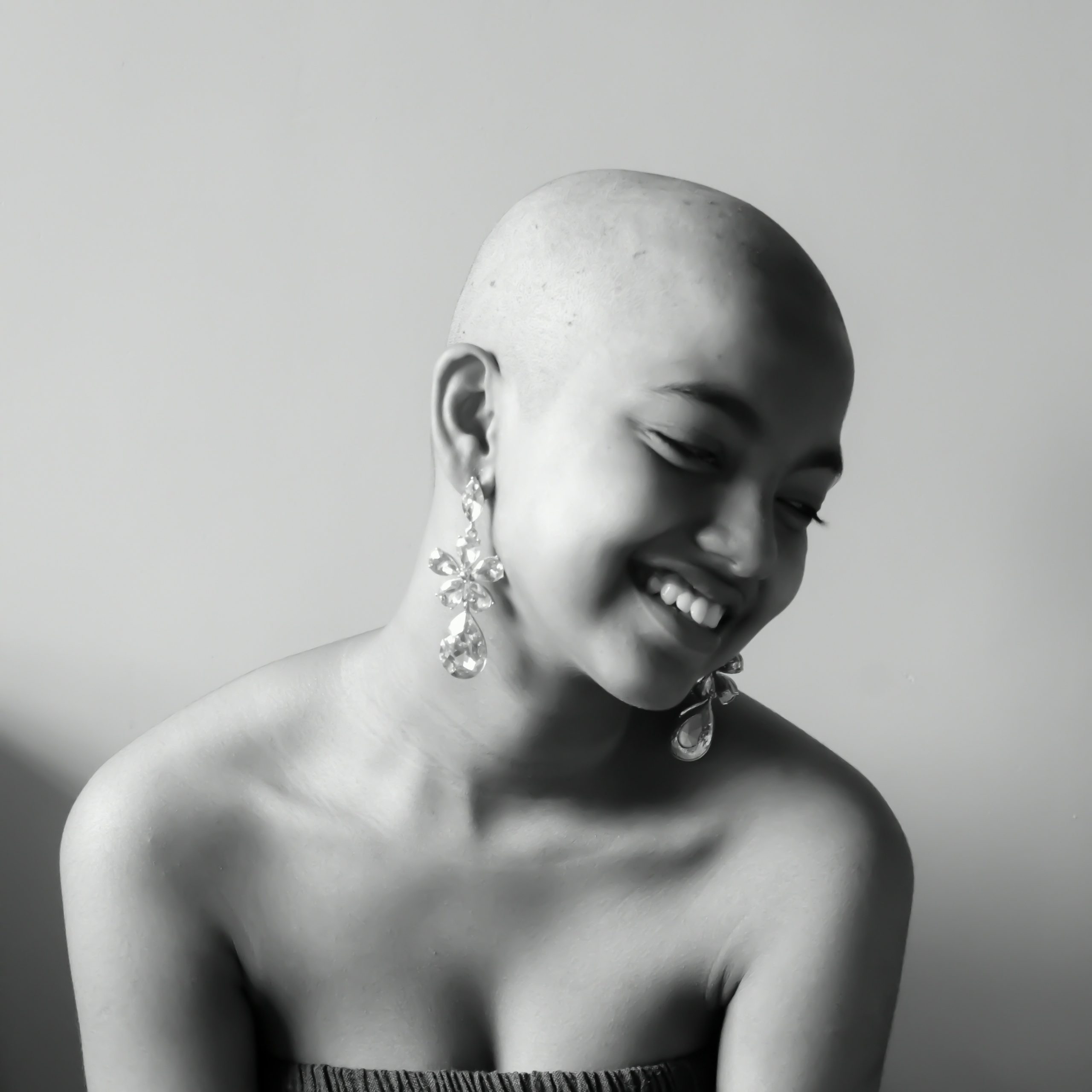
After a Cancer Diagnosis, Follow the Recommendations, If You Can
Cancer Prevention Recommendation One of World Cancer Research Fund’s Cancer Prevention Recommendations is that, after a cancer diagnosis, people should follow the Cancer Prevention Recommendations, if they can. This recommendation applies to people living with and beyond cancer. That includes people who are currently living with cancer, people having treatment, and people who have recovered
-
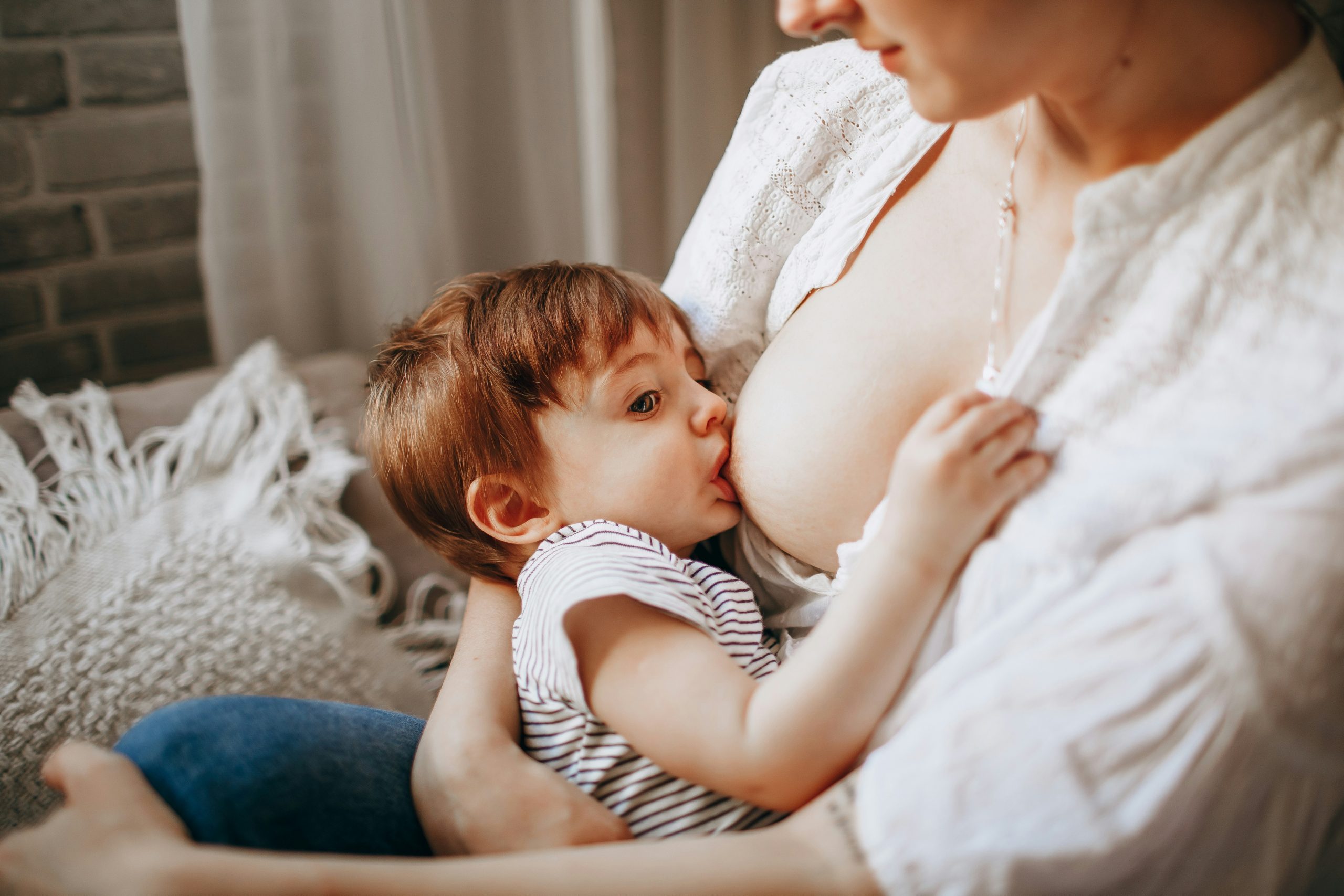
For Mothers: Breastfeed Your Baby, If You Can
Cancer Prevention Recommendation One of World Cancer Research Fund’s Cancer Prevention Recommendations is: for mothers, breastfeed your baby, if you can. This recommendation recognises that breastfeeding can support the health of both mother and baby. It is important to say this carefully. Breastfeeding is not always possible. It is not always straightforward. Some mothers cannot
-
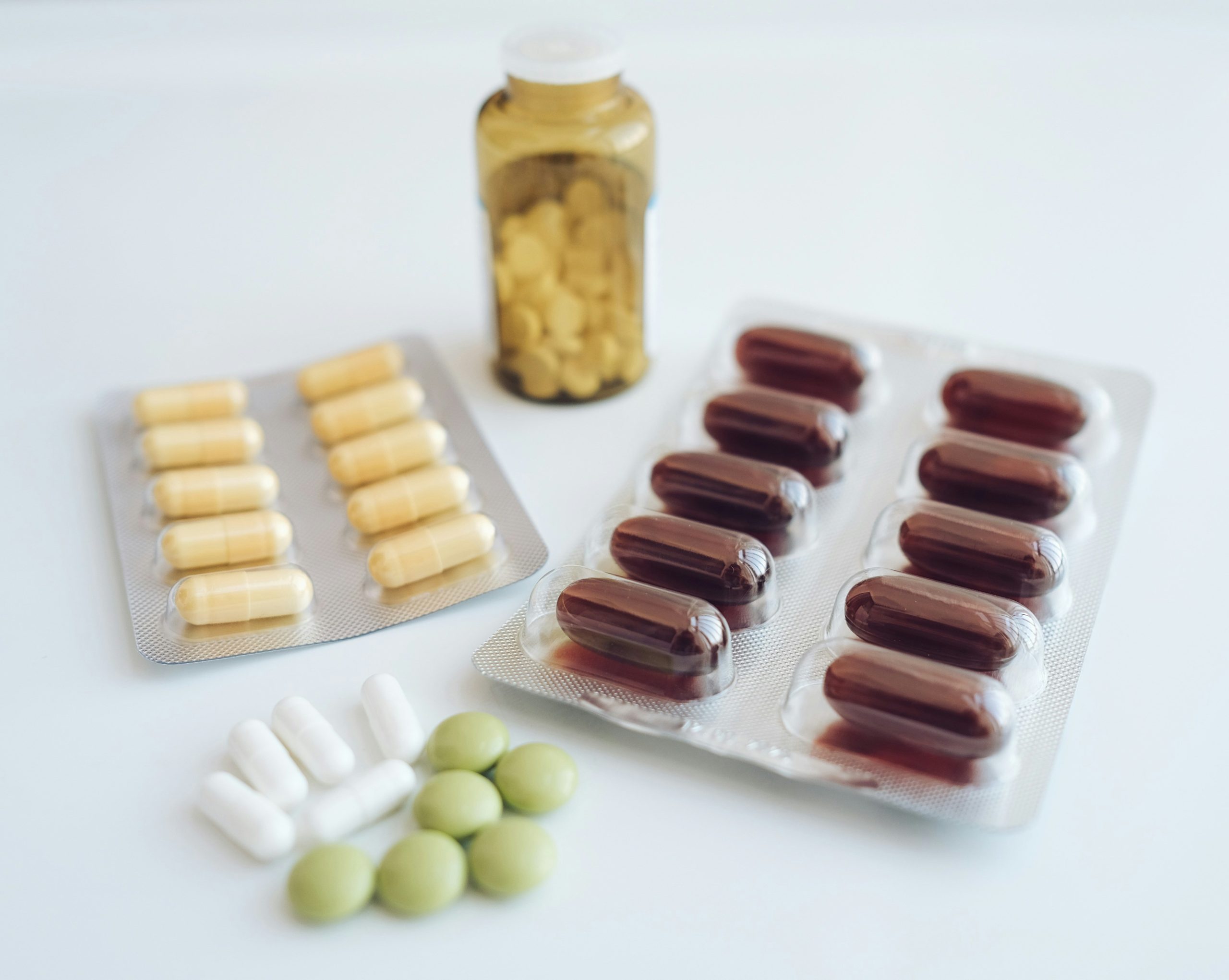
Do Not Use Supplements for Cancer Prevention
Cancer Prevention Recommendation One of World Cancer Research Fund’s Cancer Prevention Recommendations is not to use supplements for cancer prevention. This means aiming to meet nutritional needs through a healthy, balanced diet where possible, rather than relying on tablets, capsules, powders or high-dose nutrients to reduce cancer risk. This recommendation does not mean that supplements
-
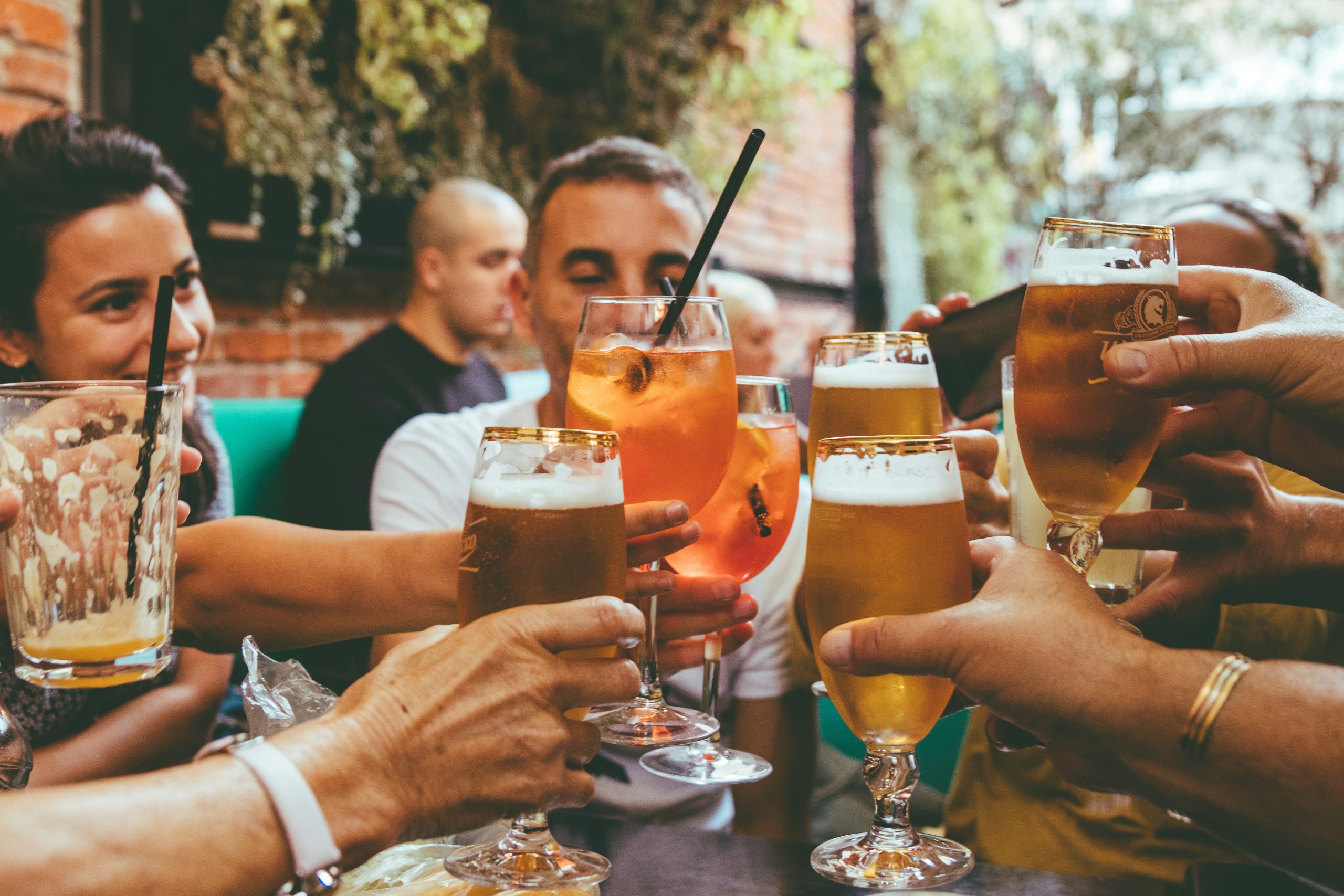
Limit Alcohol Consumption
Cancer Prevention Recommendation One of World Cancer Research Fund’s Cancer Prevention Recommendations is to limit alcohol consumption. For cancer prevention, WCRF’s advice is clear: it is best not to drink alcohol. If you do drink alcohol, WCRF recommends staying within your national guidelines. Children and pregnant women should not drink alcohol. This recommendation is not
-
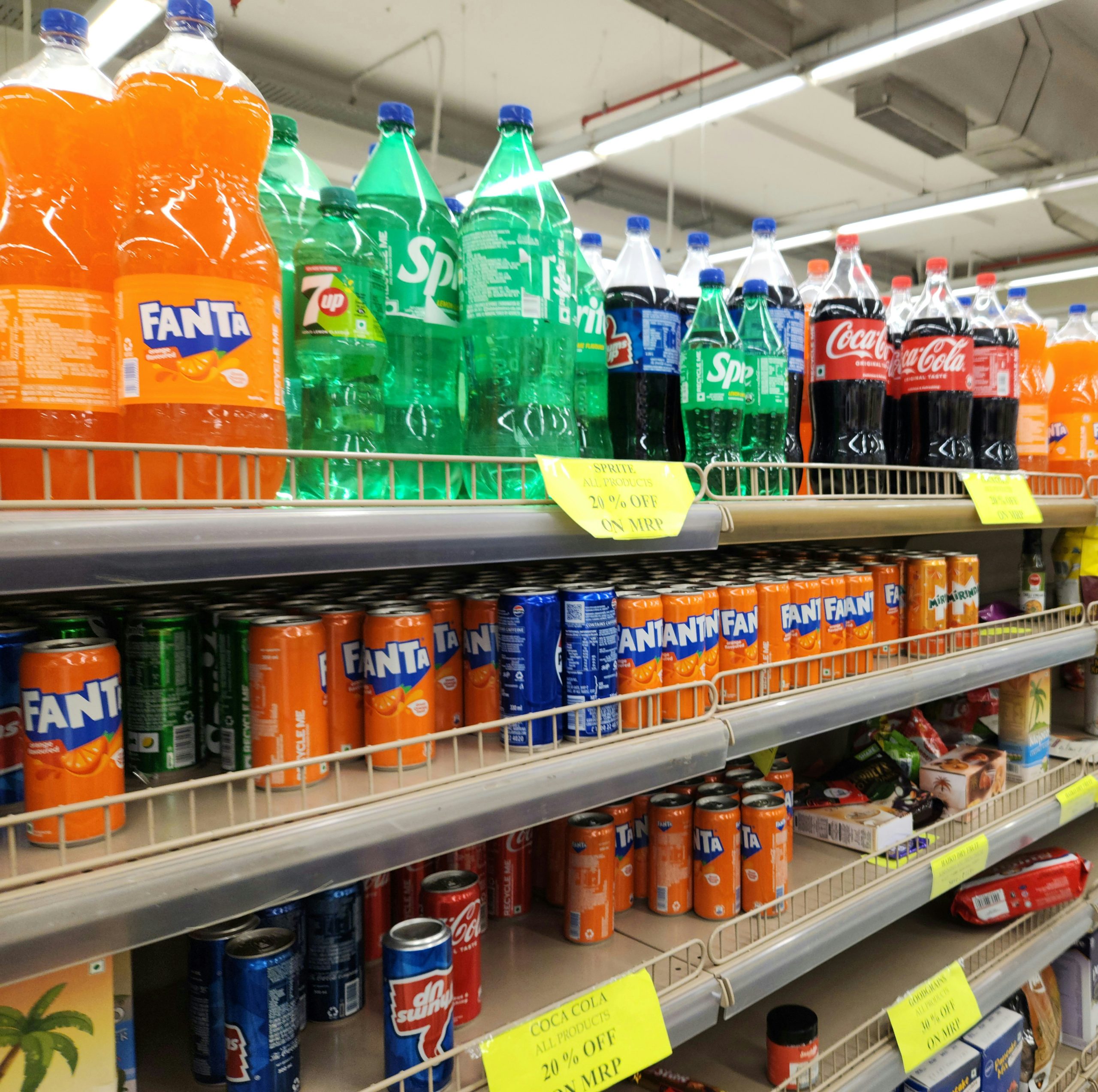
Limit Sugar-sweetened Drinks
Cancer Prevention Recommendation One of World Cancer Research Fund’s Cancer Prevention Recommendations is to limit sugar-sweetened drinks. This means drinking mostly water and unsweetened drinks, and avoiding drinks with added sugar. Sugar-sweetened drinks can be easy to consume quickly and regularly, often without making us feel as full as food. Over time, they can add
-
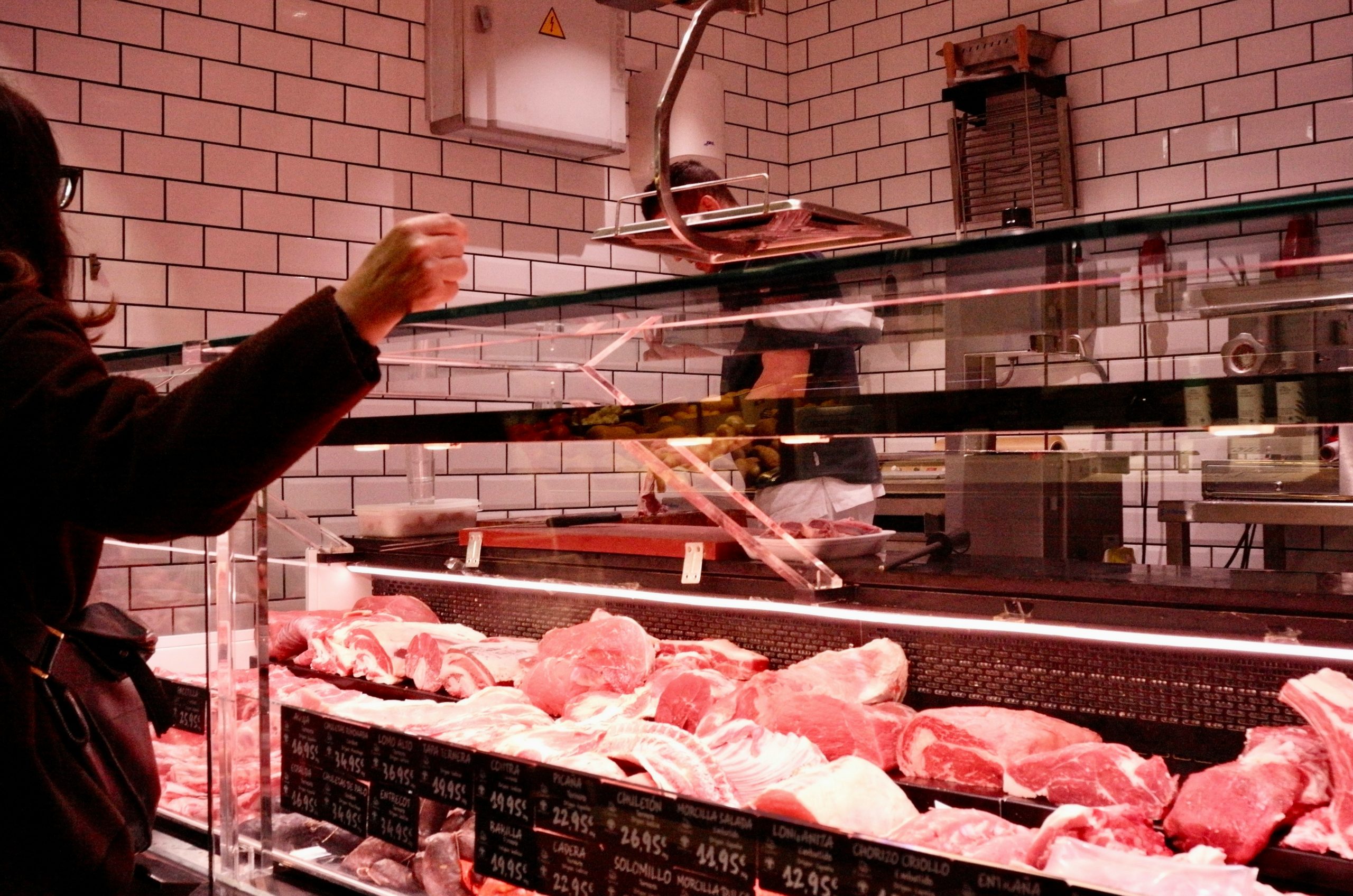
Limit Red and Processed Meat
Cancer Prevention Recommendation One of World Cancer Research Fund’s Cancer Prevention Recommendations is to limit red meat and eat very little, if any, processed meat. This recommendation does not mean that everyone must stop eating meat. It means that, for people who eat red meat, the amount matters. It also means that processed meat should
-

Limit ‘Fast Foods’
Cancer Prevention Recommendation One of World Cancer Research Fund’s Cancer Prevention Recommendations is to limit ‘fast foods’ and other processed foods that are high in fat, starches or sugars. This does not mean that one meal, one takeaway or one packet of crisps will cause cancer. It means that regularly eating large amounts of energy
-
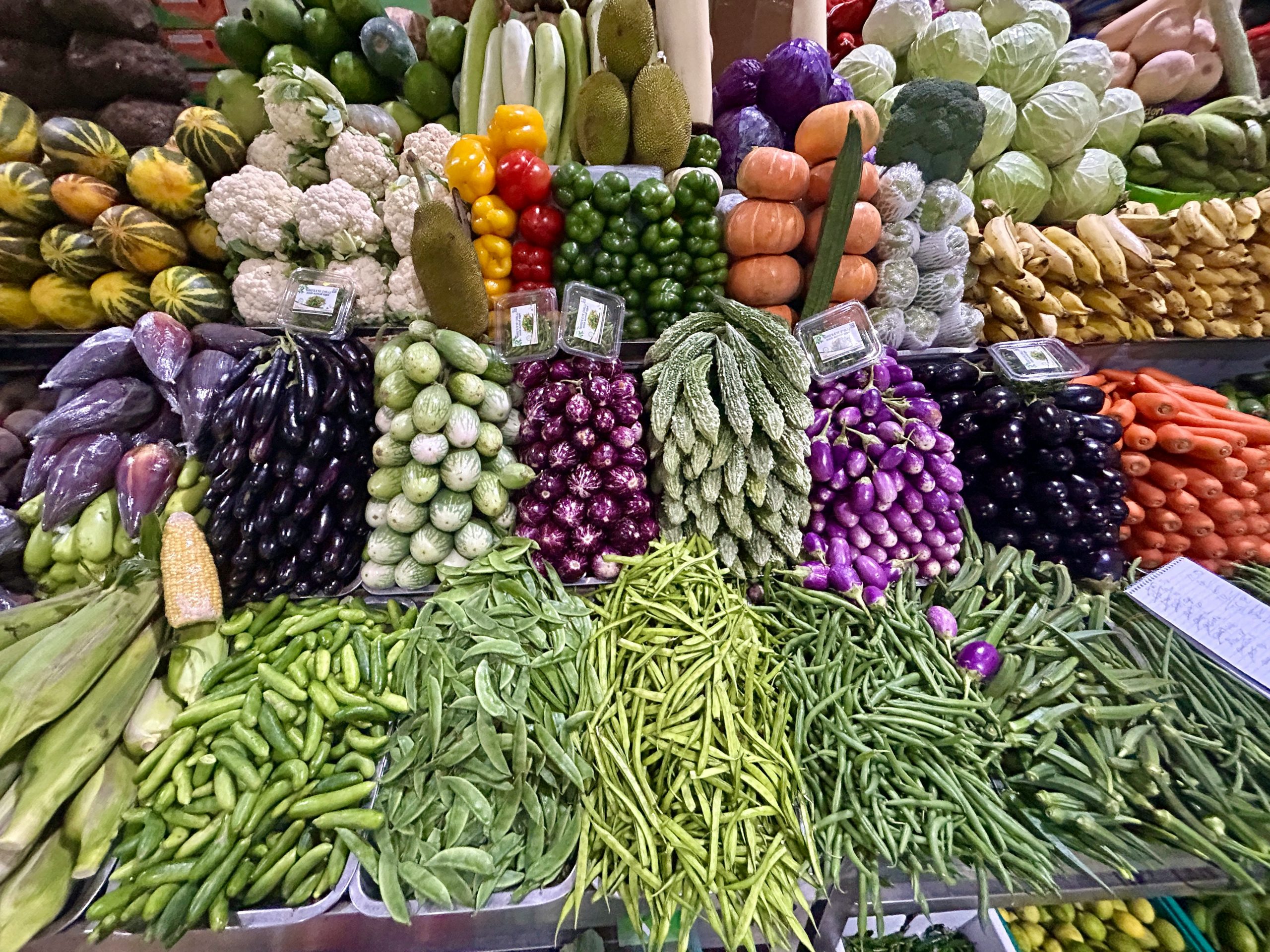
Eat Wholegrains, Vegetables, Fruit and Beans
Cancer Prevention Recommendation One of World Cancer Research Fund’s Cancer Prevention Recommendations is to eat a diet rich in wholegrains, vegetables, fruit and beans. This means making plant foods a regular and important part of everyday meals. Wholegrains, vegetables, fruit, beans, lentils, peas and other pulses provide fibre, nutrients and many natural compounds that help
-

Be Physically Active
Cancer Prevention Recommendation One of World Cancer Research Fund’s Cancer Prevention Recommendations is to be physically active. This means making movement part of everyday life, moving more when you can, and reducing the amount of time spent sitting or lying down. Physical activity does not have to mean sport, gyms or intense exercise. It can
-
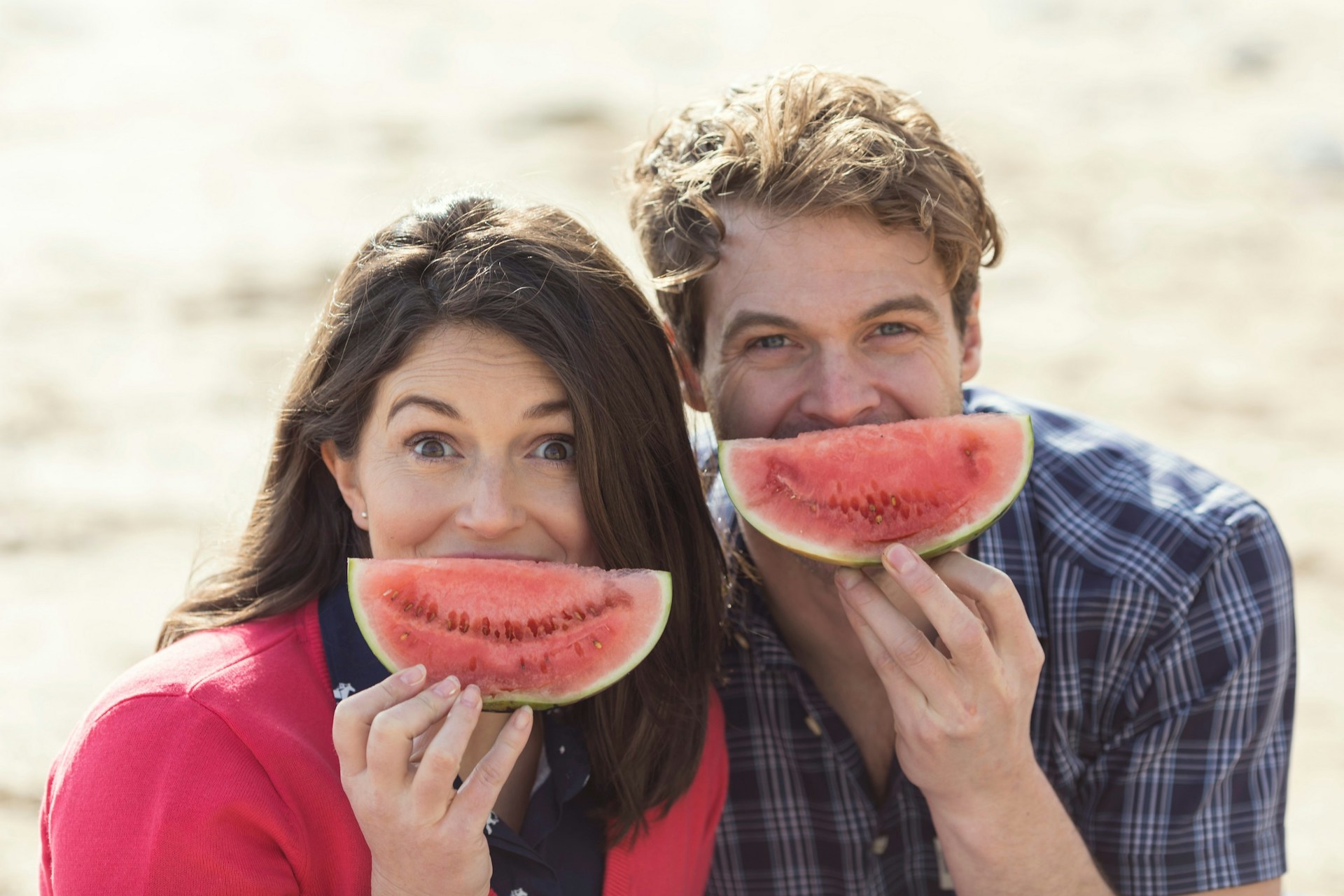
Be a Healthy Weight
Cancer Prevention Recommendation One of World Cancer Research Fund’s Cancer Prevention Recommendations is to be a healthy weight. This means aiming to stay within a healthy weight range throughout life and, where possible, avoiding gradual weight gain during adulthood. This recommendation is not about appearance. It is about long-term health, reducing risk, and giving the
For mum.
For everyone we have lost.
For a future without cancer.
supported by


For A Future Without Cancer
© 2026 Agisilaos Apostolopoulos. All rights reserved.