Cancer Prevention Recommendation
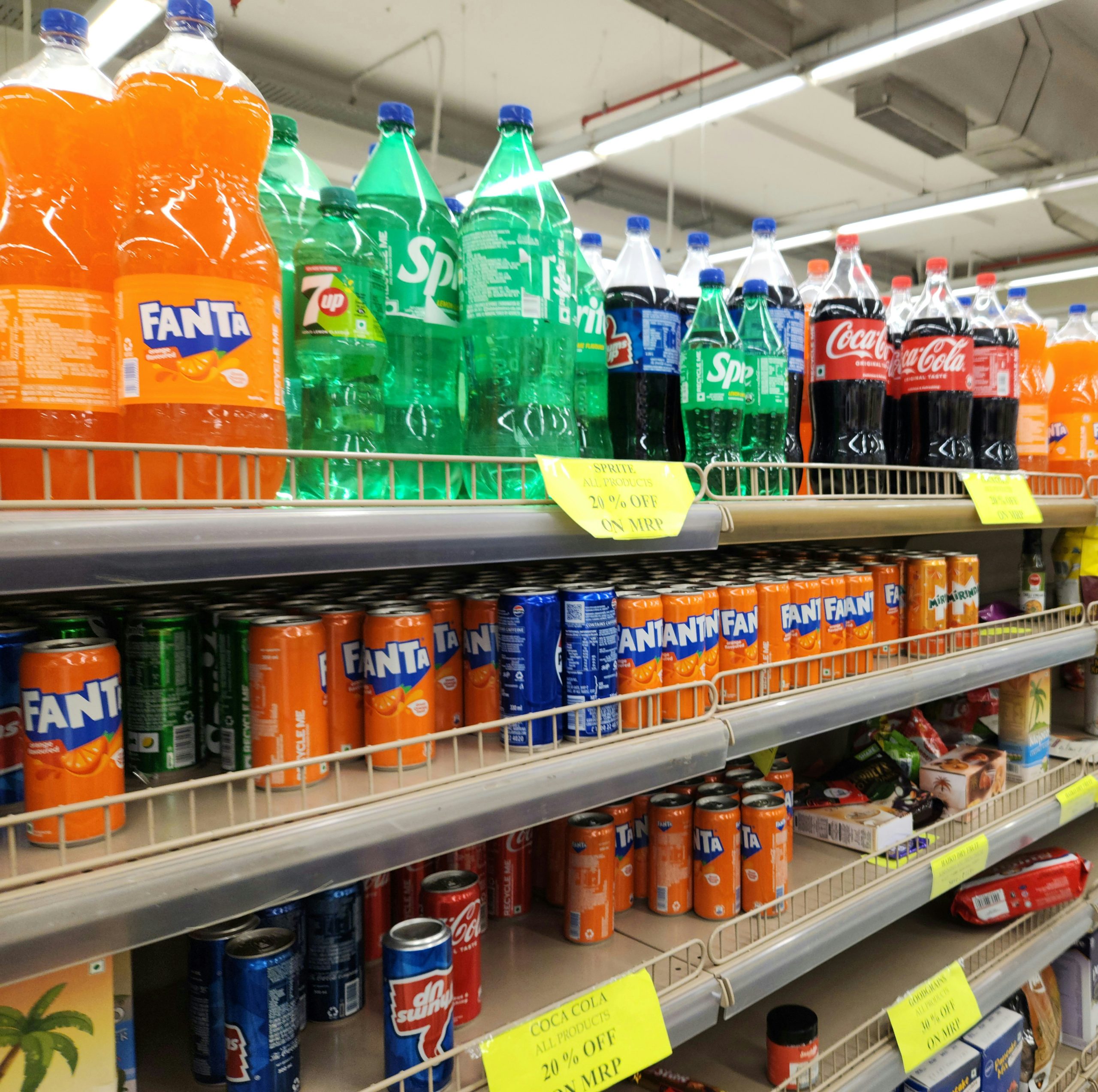
One of World Cancer Research Fund’s Cancer Prevention Recommendations is to limit sugar-sweetened drinks.
This means drinking mostly water and unsweetened drinks, and avoiding drinks with added sugar.
Sugar-sweetened drinks can be easy to consume quickly and regularly, often without making us feel as full as food. Over time, they can add extra energy to the diet and make weight gain more likely.
Because higher body weight is linked with an increased risk of several cancers, limiting sugar-sweetened drinks can support cancer prevention by helping people maintain a healthier weight.
Why this matters
World Cancer Research Fund reports convincing evidence that consuming sugar-sweetened drinks is a cause of weight gain, overweight and obesity in both children and adults.
This is especially important when these drinks are consumed often or in large portions.
The link with cancer prevention is mainly indirect. Sugar-sweetened drinks can contribute to excess energy intake. If energy intake regularly exceeds energy use, this can lead to weight gain. Greater body weight is a cause of many cancers.
For this reason, choosing water and unsweetened drinks more often is a simple but important step towards long-term health.
What counts as a sugar-sweetened drink?
Sugar-sweetened drinks are drinks that contain added sugars.
Examples can include:
- Fizzy drinks with added sugar
- Energy drinks with added sugar
- Sports drinks with added sugar
- Sweetened iced teas
- Sweetened coffees or flavoured milk drinks
- Squashes, cordials and fruit drinks with added sugar
- Some bottled smoothies or sweetened juice drinks
The exact sugar content can vary, so checking labels can be useful.
What should we drink instead?
WCRF recommends drinking mostly water or unsweetened drinks.
Good everyday choices include:
- Water
- Sparkling water without added sugar
- Tea without added sugar
- Coffee without added sugar
- Unsweetened herbal teas
For many people, the most practical change is not to replace every drink overnight, but to make water the normal daily choice and keep sweetened drinks for rare occasions, if at all.
A note on fruit juice
Fruit juice can seem like a healthier option, especially when it has no added sugar.
However, WCRF advises that fruit juice should not be consumed in large quantities. Even when the sugar comes naturally from fruit, juice can still provide a concentrated source of sugar and may contribute to weight gain in a similar way to sugar-sweetened drinks.
Whole fruit is usually a better everyday choice because it contains fibre and is more filling.
What about artificially sweetened drinks?
WCRF states that there is currently no strong evidence in humans that artificially sweetened drinks with very low energy content, such as diet soft drinks, are a cause of cancer.
However, WCRF also notes that the evidence that these drinks help prevent weight gain, overweight and obesity is not consistent.
Because of this, WCRF does not make a recommendation in favour of artificially sweetened drinks for cancer prevention. Their advice is to choose water and other unsweetened drinks instead.
In 2023, international expert bodies reviewed the artificial sweetener aspartame and concluded that there is limited evidence that aspartame is carcinogenic in humans. This does not change the practical advice for this recommendation: water and unsweetened drinks remain the preferred everyday choices.
How sugar-sweetened drinks may affect cancer risk
Sugar-sweetened drinks are linked to cancer prevention mainly through their effect on body weight.
They can increase energy intake without providing the same fullness as many solid foods. This can make it easier to consume more energy than the body uses.
Over time, this can contribute to weight gain, overweight and obesity. Higher body weight can affect the body through changes in hormones, inflammation, insulin resistance and other biological processes. These changes may increase the risk of several cancers.
The recommendation is therefore not that sugar itself directly causes cancer in the way people sometimes claim online. The main concern is the role sugar-sweetened drinks can play in weight gain and excess body weight.
Practical ways to limit sugar-sweetened drinks
Small changes can make this recommendation easier to follow.
Helpful steps include:
- Keeping a reusable water bottle with you
- Choosing water with meals
- Switching from sugary fizzy drinks to sparkling water
- Choosing tea or coffee without added sugar
- Reducing sugar gradually if you usually sweeten hot drinks
- Keeping sugar-sweetened drinks out of the weekly shopping where possible
- Checking labels on bottled drinks, smoothies, iced coffees and sports drinks
- Adding lemon, mint, cucumber or berries to water for flavour
- Choosing whole fruit instead of fruit juice most of the time
The aim is not to feel guilty about one drink. The aim is to change the usual pattern.
A wider issue
Sugar-sweetened drinks are widely available, heavily marketed and often cheap.
They are sold in shops, cafés, vending machines, petrol stations, schools, workplaces, gyms and sports settings. In many places, they have become part of daily life.
This is why cancer prevention is not only about individual choice. Healthier choices become easier when clean drinking water is available, when marketing is responsible, and when communities are supported to make healthier decisions.
A compassionate note
For many people, sweet drinks are linked with habit, comfort, energy, tiredness, work routines, childhood memories, social life or convenience.
This recommendation should not be used to shame anyone.
It is an invitation to notice what we drink most often and to choose options that support long-term health where we can.
One glass of water is a small act. Repeated every day, it becomes part of a healthier pattern.
From the road
On a long cycling journey, drinking enough is not optional.
Every day on the bicycle is a reminder that water is life. It carries the body through heat, hills, wind, rain, fatigue and distance.
But this recommendation is not only for cyclists. It is for everyday life.
What we drink can become a quiet habit we barely notice. A bottle picked up at a shop. A can opened with lunch. A sweetened coffee on the way to work. Over time, those habits add up.
As I cycle across Europe in memory of my mum, this journey is about bringing cancer prevention into ordinary conversations. Not through fear. Not through blame. Through simple, evidence-based choices that can support healthier lives.
Sometimes prevention begins with something as ordinary as choosing water.
Source and attribution
This page is based on World Cancer Research Fund’s Cancer Prevention Recommendation: Limit sugar-sweetened drinks.
Please visit the World Cancer Research Fund website to read the full recommendation and evidence summary.
Important note
This page is for general information only. It is not medical advice and should not replace guidance from your GP, dietitian or another qualified health professional.

Leave a Reply