Cancer Prevention Recommendation
One of World Cancer Research Fund’s Cancer Prevention Recommendations is not to use supplements for cancer prevention.
This means aiming to meet nutritional needs through a healthy, balanced diet where possible, rather than relying on tablets, capsules, powders or high-dose nutrients to reduce cancer risk.
This recommendation does not mean that supplements are never useful.
Some people need supplements for medical, nutritional or life-stage reasons. However, supplements should not be seen as a substitute for a healthy diet, or as a proven way to prevent cancer.
Why this matters
World Cancer Research Fund reports that high-dose dietary supplements are not recommended for cancer prevention.
The evidence from supplement trials has not shown the same protective effects that might be suggested when looking at nutrients from food.
In some cases, high-dose supplements may even cause harm.
WCRF reports strong evidence that high-dose beta-carotene supplements increase the risk of lung cancer in people who smoke or used to smoke.
WCRF also reports probable evidence that calcium supplements may reduce the risk of colorectal cancer. However, this does not change the overall recommendation: for cancer prevention, it is better to focus on a healthy diet rather than relying on dietary supplements.
What counts as a dietary supplement?
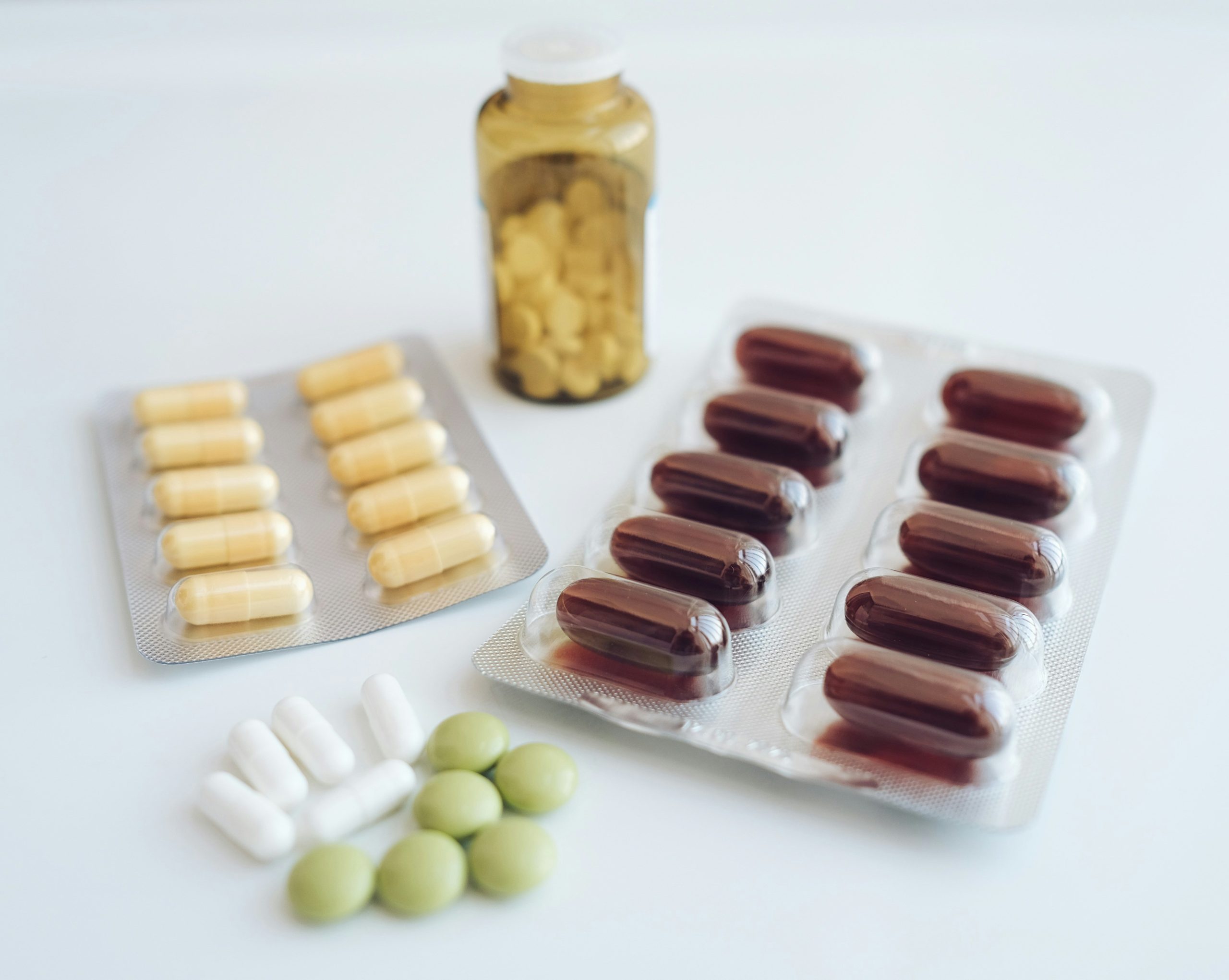
Dietary supplements are products that contain nutrients or other dietary ingredients, usually in concentrated form.
They may come as tablets, capsules, powders, liquids or similar products.
Supplements can include vitamins, minerals, trace elements, plant extracts, oils, protein powders or other concentrated ingredients.
Some supplements contain doses much higher than the amount a person would normally get from food.
This is one reason they should be used carefully, especially when taken regularly or in high doses.
Food first, where possible
A healthy diet provides more than isolated nutrients.
Whole foods contain combinations of fibre, vitamins, minerals, natural plant compounds, healthy fats, protein, carbohydrates and other substances that interact in complex ways.
For example, vegetables, fruit, wholegrains, beans, lentils, nuts and seeds contain many different nutrients and compounds together. Their benefits are unlikely to come from one single ingredient alone.
This is why taking a vitamin tablet is not the same as eating a varied diet.
Cancer prevention is best supported by an overall pattern of healthy living, including food, movement, body weight, limiting alcohol, and avoiding tobacco.
Why high-dose supplements can be a concern
It can be tempting to think that if a nutrient is good, more must be better.
That is not always true.
Some nutrients can be harmful in high amounts. Fat-soluble vitamins, such as vitamins A, D, E and K, can be stored in the body. Taking too much over time may lead to excessive levels and potential toxicity.
Other supplements may interact with medicines, affect treatment, or be unsuitable for people with certain health conditions.
This is especially important for people living with cancer, undergoing treatment, pregnant women, older adults, people with long-term conditions, and anyone taking regular medication.
If a supplement is needed, it should be chosen for a specific reason, ideally with advice from a qualified health professional.
When supplements may be needed
This recommendation does not say that all supplement use is wrong.
There are situations where supplements can be important.
Some people may need vitamin D, vitamin B12, iron, folic acid, calcium or other nutrients because of age, pregnancy, breastfeeding, limited sun exposure, dietary restrictions, absorption problems, anaemia, deficiency, illness, or medical advice.
In some crisis situations, or where diets are nutritionally inadequate, supplements or food fortification may be necessary to protect health.
The important distinction is this:
Supplements may be useful to correct or prevent deficiency.
They should not be used as a general cancer prevention shortcut.
What about multivitamins?
Many people take multivitamins as a form of nutritional insurance.
For some, this may be recommended by a health professional. For others, it may not be necessary.
A multivitamin cannot replace a healthy eating pattern. It does not provide the fibre, variety, balance and wider benefits of whole foods.
If you are eating a varied diet and have no diagnosed deficiency or specific medical need, supplements may offer little additional benefit for cancer prevention.
If you are unsure, speak with a GP, dietitian, pharmacist or another qualified health professional.
Practical ways to meet nutritional needs through food
A food-first approach can be simple and realistic.
Helpful steps include:
- Building meals around wholegrains, vegetables, fruit, beans and lentils
- Eating a variety of different coloured vegetables and fruit
- Choosing wholegrain bread, oats, brown rice or wholewheat pasta more often
- Including beans, chickpeas, lentils, tofu, fish, eggs, dairy or other protein sources
- Eating nuts and seeds in sensible amounts if suitable for you
- Drinking mostly water and unsweetened drinks
- Limiting fast foods and highly processed foods high in fat, starches or sugars
- Getting personalised advice if you follow a restricted diet
- Asking for a blood test or professional guidance if you suspect a deficiency
The aim is not to eat perfectly. The aim is to give the body the nourishment it needs through ordinary food as much as possible.
Be careful with cancer claims
Be cautious of products claiming to prevent, treat or cure cancer.
Cancer is complex, and no supplement should be promoted as a guaranteed protection against it.
Claims that sound dramatic, simple or too good to be true should be treated carefully, especially if they are linked to expensive products, influencer marketing, or advice to avoid medical treatment.
Evidence-based cancer prevention is not built on miracle products.
It is built on long-term patterns: healthy weight, regular physical activity, nutritious food, limiting alcohol, avoiding tobacco, and following professional medical advice.
A wider issue
Supplements are heavily marketed in many countries.
People are often told they need more energy, better immunity, stronger hair, faster recovery, improved metabolism or protection from illness.
This can make people feel that health comes from a bottle.
For some people, supplements are necessary and valuable. But for many, the bigger public health priority is access to good food, clear information, safe environments, and support to eat well.
Cancer prevention should not become something people feel they have to buy.
A compassionate note
Many people take supplements because they are trying to look after themselves.
That intention deserves respect.
This recommendation is not about blaming people for wanting to protect their health. It is about helping people understand that supplements are not a proven route to cancer prevention, and that high-dose products can sometimes carry risks.
Food, care, movement, support and evidence matter more than fear-based marketing.
From the road
Across Europe, this journey keeps bringing me back to food.
Bread shared at a table. Beans simmering in a pot. Fruit offered by a stranger. Soup after a long day of cycling. A home-cooked meal that carries memory, culture and love.
My mum loved to cook. Her food was not a supplement. It was care. It was nourishment. It was family.
This recommendation reminds me that health is not built from shortcuts alone. It is built through the ordinary things we return to every day: what we eat, how we move, how we live, and how we care for one another.
As I cycle across Europe in memory of my mum, I want to share cancer prevention information in a way that feels honest and useful.
There is no magic capsule for a future without cancer.
But there are choices, habits, communities, and evidence-based recommendations that can help us move towards one.
Source and attribution
This page is based on World Cancer Research Fund’s Cancer Prevention Recommendation: Do not use supplements for cancer prevention.
Please visit the World Cancer Research Fund website to read the full recommendation and evidence summary.
Important note
This page is for general information only. It is not medical advice and should not replace guidance from your GP, dietitian or another qualified health professional.
Leave a Reply