Cancer Prevention Recommendation
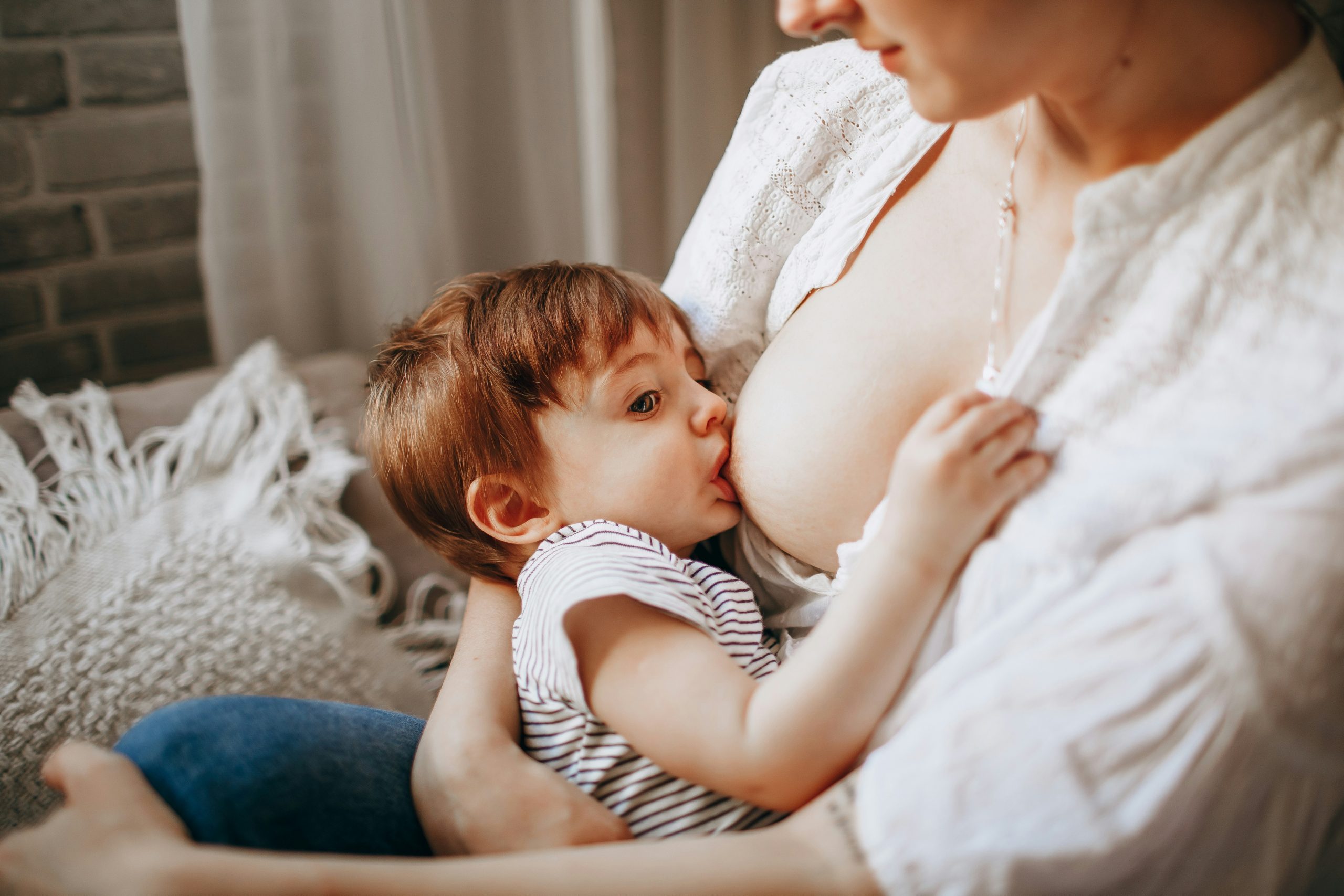
One of World Cancer Research Fund’s Cancer Prevention Recommendations is: for mothers, breastfeed your baby, if you can.
This recommendation recognises that breastfeeding can support the health of both mother and baby.
It is important to say this carefully. Breastfeeding is not always possible. It is not always straightforward. Some mothers cannot breastfeed, some are advised not to, and others may face pain, low milk supply, illness, medication issues, lack of support, work pressures, trauma, exhaustion or other personal circumstances.
This recommendation should never be used to shame anyone.
The phrase “if you can” matters.
Why this matters
World Cancer Research Fund reports evidence that breastfeeding protects mothers against breast cancer.
WCRF also reports that having been breastfed helps protect children against excess weight gain, overweight and obesity. This may matter for cancer prevention later in life because higher body weight is linked with an increased risk of several cancers.
Breastfeeding is therefore relevant to cancer prevention in two ways: it can reduce the mother’s risk of breast cancer, and it can support healthy growth in the child.
What does WCRF recommend?
WCRF’s recommendation is consistent with World Health Organization guidance.
The goal is to exclusively breastfeed infants for the first 6 months, where possible. After that, breastfeeding can continue up to 2 years of age or beyond, alongside appropriate complementary foods.
Exclusive breastfeeding means that a baby receives only breast milk, including expressed breast milk, and no other food or drink, unless medically advised.
The benefits for mother and baby are generally greater the longer breastfeeding continues.
How breastfeeding may reduce cancer risk
Breastfeeding affects the body in several ways.
One important pathway is hormonal. During breastfeeding, many women have fewer menstrual cycles for a period of time. This can reduce lifetime exposure to certain hormones that may influence breast cancer risk.
Breastfeeding also changes breast tissue. The process of lactation and the natural changes that happen after breastfeeding ends may help remove cells with DNA damage.
These biological changes may help explain why breastfeeding is linked with lower breast cancer risk in mothers.
Benefits for the baby
Breastfeeding supports healthy growth and development.
WCRF reports that children who have been breastfed are less likely to experience excess weight gain, overweight and obesity. Because higher body weight is linked with cancer risk later in life, this may have long-term health relevance.
Breastfeeding is also linked with other health benefits for babies and children, including lower rates of some infections during infancy and possible benefits for conditions such as asthma and type 2 diabetes later in life.
In parts of the world where safe water is not always available, breastfeeding can be especially important for infant health.
When breastfeeding may not be possible or advised
Breastfeeding is not suitable or possible in every situation.
There are medical circumstances where breastfeeding may need caution or may not be recommended. WCRF gives HIV/AIDS as one example where medical advice is especially important.
Other situations may include certain medicines, serious illness, complications after birth, low milk supply, previous breast surgery, pain, mental health needs, premature birth, or personal circumstances that make breastfeeding very difficult.
Anyone unsure about breastfeeding should speak with a midwife, health visitor, GP, lactation consultant, infant feeding specialist or another qualified health professional.
Support matters
Breastfeeding is often described as natural, but that does not mean it is always easy.
Many mothers need help with positioning, pain, milk supply, confidence, expressing milk, returning to work, feeding in public, night feeding, and managing pressure from others.
This is why breastfeeding should not be treated only as an individual responsibility.
Mothers need supportive healthcare, good information, protected maternity rights, understanding employers, family support, safe public spaces, and communities that make breastfeeding easier.
Cancer prevention is not only about personal choice. It is also about creating conditions that support healthier lives.
A note for families
Partners, relatives and friends can make a real difference.
Support might mean helping with meals, housework, older children, emotional reassurance, getting professional help when needed, protecting rest time, or simply respecting the mother’s choices.
The goal is not to pressure a mother into breastfeeding at any cost.
The goal is to support her, protect her health, and help her make the best decision for herself and her baby.
A compassionate note
This recommendation can touch painful feelings.
Some mothers wanted to breastfeed and could not. Some stopped earlier than planned. Some were not supported. Some were advised not to. Some chose not to for deeply personal reasons.
None of that should be met with judgement.
Cancer prevention information should empower people, not hurt them.
The message is simple: breastfeeding can bring health benefits for mother and baby, including a reduced risk of breast cancer for the mother. Where breastfeeding is possible and wanted, it should be protected, encouraged and supported.
From the road
This expedition is a journey about health, but it is also a journey about care.
Care begins early. It begins in families, in homes, in communities, in the way we feed, support and protect one another.
My mum was 16 when she had me. She was told to choose between giving me up or leaving home.
She chose me.
That choice shaped my whole life.
As I cycle across Europe in her memory, this recommendation reminds me that prevention is not only about facts and science. It is also about support, dignity, family, and giving people the conditions they need to care for themselves and their children.
A healthier future begins long before illness.
It begins with care.
Source and attribution
This page is based on World Cancer Research Fund’s Cancer Prevention Recommendation: For mothers, breastfeed your baby, if you can.
Please visit the World Cancer Research Fund website to read the full recommendation and evidence summary.
Important note
This page is for general information only. It is not medical advice and should not replace guidance from your GP, dietitian or another qualified health professional.

Leave a Reply