Cancer Prevention Recommendation
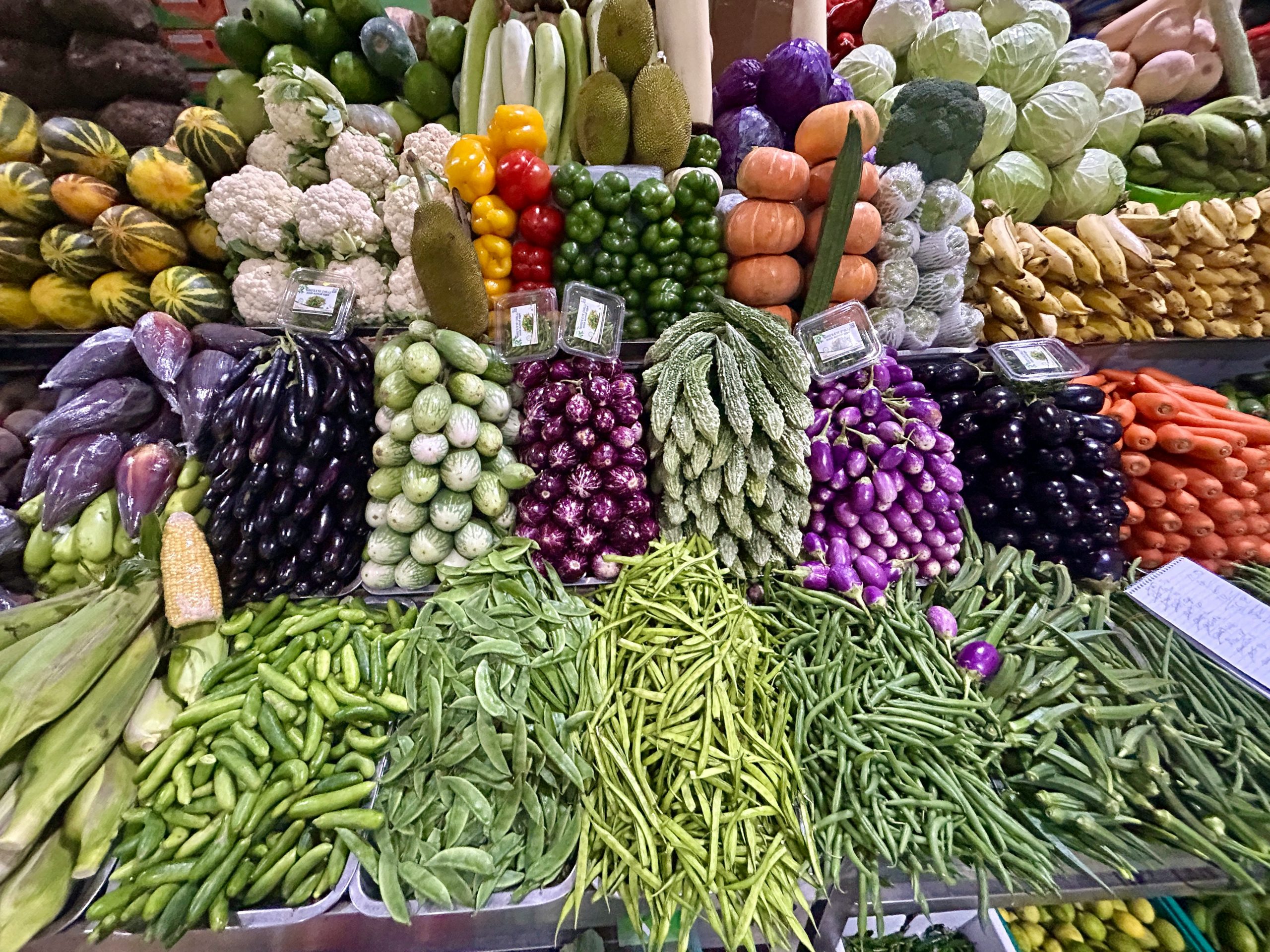
One of World Cancer Research Fund’s Cancer Prevention Recommendations is to eat a diet rich in wholegrains, vegetables, fruit and beans.
This means making plant foods a regular and important part of everyday meals.
Wholegrains, vegetables, fruit, beans, lentils, peas and other pulses provide fibre, nutrients and many natural compounds that help support long-term health. They can also help make meals more filling, varied and nourishing.
This recommendation is not about following a strict diet. It is about building daily meals around foods that support the body over time.
Why this matters
World Cancer Research Fund reports strong evidence that wholegrains and foods containing dietary fibre reduce the risk of colorectal cancer.
Foods containing dietary fibre also help protect against weight gain, overweight and obesity. This matters because higher body weight is linked with an increased risk of several cancers.
WCRF also notes that although the evidence for individual cancers and specific vegetables or fruits is more limited, the overall pattern supports the recommendation to eat a diet rich in non-starchy vegetables and fruit. In particular, very low intake of these foods should be avoided.
A diet built around wholegrains, vegetables, fruit and pulses can support cancer prevention directly and indirectly, while also contributing to overall health.
What foods are included?
This recommendation includes a wide variety of plant foods.
Wholegrains include foods made from the whole grain seed, such as oats, brown rice, wholemeal bread, wholewheat pasta, rye, barley, millet, maize and other minimally processed grains.
Vegetables include many different types of plant foods. Non-starchy vegetables include foods such as leafy greens, broccoli, cabbage, watercress, carrots, beetroot, onions, garlic, leeks, turnips, swede and parsnips.
Fruit includes fresh, frozen, canned or dried fruit, ideally without added sugar.
Beans and pulses include lentils, chickpeas, peas, beans, and similar foods. These are often affordable, filling, versatile and rich in fibre.
Starchy roots and tubers, such as potatoes, sweet potatoes, cassava and taro, can be part of many traditional diets, but WCRF recommends also eating non-starchy vegetables, fruit and pulses regularly.
What to aim for
WCRF recommends aiming for a diet that provides at least 30g of fibre each day from food.
A practical way to work towards this is to include wholegrains, vegetables, fruit, beans, lentils or other pulses in most meals.
WCRF also recommends eating at least five portions of a variety of non-starchy vegetables and fruit every day. This is about 400g in total.
For many people, this could mean adding fruit to breakfast, choosing wholegrain bread or oats, including vegetables at lunch and dinner, and using beans or lentils in soups, stews, salads, sauces or traditional dishes.
How these foods may help reduce cancer risk
The relationship between food and cancer risk is complex. No single food can prevent cancer on its own.
Wholegrains contain fibre and a range of nutrients and plant compounds. These may help support healthy digestion, influence blood sugar response, and reduce the contact time between potential harmful substances and the lining of the bowel.
Dietary fibre is also important for the gut. It can increase stool bulk, help food move through the digestive system, and be used by gut bacteria to produce substances that may support bowel health.
Vegetables and fruit contain many vitamins, minerals, fibre and natural plant compounds. It is likely that their benefits come from the combined effect of many different nutrients and compounds working together, rather than from one single ingredient.
This is why variety matters.
Practical ways to eat more wholegrains, vegetables, fruit and beans
Small changes can make a meaningful difference over time.
Helpful steps include:
- Choosing oats, wholemeal bread, brown rice or wholewheat pasta more often
- Adding vegetables to soups, stews, sauces, omelettes and sandwiches
- Keeping fruit available as an easy snack
- Adding beans, lentils or chickpeas to familiar meals
- Building plates around vegetables and wholegrains, rather than treating them as an afterthought
- Trying traditional plant-based dishes from different cultures
- Choosing less processed plant foods more often
- Increasing fibre gradually and drinking enough water
For people who are not used to eating a high-fibre diet, it can be helpful to increase fibre slowly so the body has time to adjust.
A note on food safety
WCRF also highlights that some grains, legumes and pulses can be affected by mould toxins, including aflatoxins, when food is grown or stored in hot and damp conditions.
This is a bigger issue in some parts of the world than others, but it is a reminder that safe growing, storage and food systems also matter for public health.
A compassionate note
Healthy eating is not only an individual choice.
What people eat is shaped by money, time, culture, family, work, access to shops, cooking facilities, education, advertising, stress and the food environment around them.
This recommendation should not be used to judge or shame anyone. It should be understood as guidance that can help people make realistic choices where they can, while also recognising that communities and governments have a role in making healthier food easier to access.
The aim is not perfection. The aim is to move towards meals that nourish, satisfy and support long-term health.
From the road
Food is at the heart of this expedition.
Across Europe, every town, village and kitchen tells a story. Bread, beans, fruit, vegetables, grains, soups, stews and shared meals carry memory, culture and care.
My mum loved to cook. The smell of her food was the smell of home. This recommendation reminds me that food is not only fuel. It is family, tradition, health, love and community.
As I cycle across Europe in memory of my mum, I hope to sit at tables with local people, learn from their food traditions, and talk about how everyday meals can help shape healthier lives.
A plate of food can be a conversation.
A shared meal can become a moment of hope.
And small choices, repeated over time, can help us move towards a future with less cancer.
Source and attribution
This page is based on World Cancer Research Fund’s Cancer Prevention Recommendation: Eat a diet rich in wholegrains, vegetables, fruit and beans.
Please visit the World Cancer Research Fund website to read the full recommendation and evidence summary.
Important note
This page is for general information only. It is not medical advice and should not replace guidance from your GP, dietitian or another qualified health professional.



Leave a Reply