Cancer Prevention Recommendation
One of World Cancer Research Fund’s Cancer Prevention Recommendations is to limit ‘fast foods’ and other processed foods that are high in fat, starches or sugars.
This does not mean that one meal, one takeaway or one packet of crisps will cause cancer.
It means that regularly eating large amounts of energy dense convenience foods can make it easier to consume more calories than the body needs. Over time, this can contribute to weight gain, overweight and obesity.
Because higher body weight is linked with an increased risk of several cancers, limiting these foods can support cancer prevention by helping people maintain a healthier weight.
Why this matters
World Cancer Research Fund reports strong evidence that diets containing higher amounts of ‘fast foods’ and other processed foods high in fat, starches or sugars can lead to weight gain, overweight and obesity.
WCRF also reports probable evidence that eating ‘fast foods’ can contribute to weight gain, overweight and obesity. These foods are often convenient, widely available, highly palatable, energy dense, served in large portions, and easy to eat frequently.
This matters because greater body weight is a cause of many cancers.
The recommendation is therefore mainly about energy balance, body weight and long-term health.
What does WCRF mean by ‘fast foods’?
In this context, ‘fast foods’ does not only mean food from a fast food restaurant.
WCRF uses the term to describe convenient, readily available foods that are often high in calories and commonly eaten in large portions or eaten often.
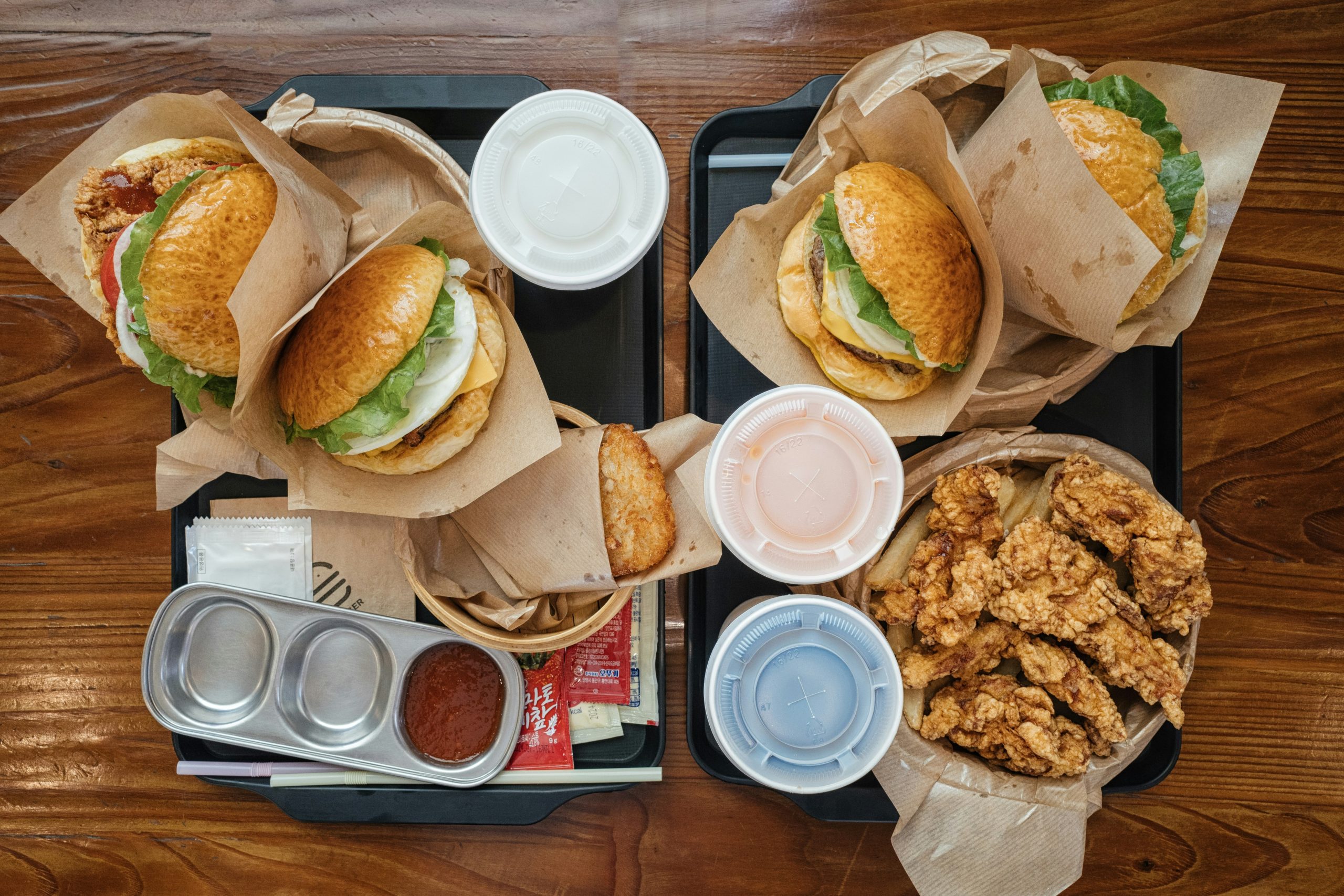
Examples can include burgers, fried chicken, chips, high calorie drinks, many snacks, sweets, cakes, pastries, biscuits, desserts, confectionery and some pre prepared meals.
WCRF also refers to other processed foods high in fat, starches or sugars. These are often industrially processed and can be higher in energy while offering fewer useful nutrients.
Limit, not ban
This recommendation is not about fear or perfection.
It is about reducing how often these foods appear in everyday life, especially when they begin to replace more nourishing meals based on wholegrains, vegetables, fruit, beans and other minimally processed foods.
There is a difference between an occasional treat and a daily pattern.
A fast food meal once in a while is not the same as a diet built around convenience foods, sugary drinks, fried foods, snacks and sweets most days.
Not all high fat foods are the same
It is important to be careful with the wording here.
WCRF does not say that all foods high in fat should be avoided.
Some foods that contain fat, such as nuts, seeds and certain plant oils, can provide valuable nutrients and are usually eaten in smaller amounts.
The concern is mainly with foods that are highly processed, energy dense, easy to overeat, and high in fat, starches or sugars.
How these foods may affect cancer risk
The link between fast foods and cancer prevention is mainly indirect.
Fast foods and highly processed foods high in fat, starches or sugars can make it easier to consume excess energy. If this happens regularly over time, it can lead to weight gain.
Higher body weight can influence the body through changes in hormones, insulin resistance, inflammation and other biological processes. These changes may increase the risk of several cancers.
WCRF also reports probable evidence that a Western type diet, often characterised by higher intakes of free sugars, meat and fat, can contribute to weight gain, overweight and obesity.
Practical ways to limit fast foods
Limiting fast foods does not have to mean changing everything at once.
Helpful steps include:
- Keeping fast foods and highly processed snacks for occasional rather than everyday eating
- Planning simple meals ahead when possible
- Carrying fruit, nuts or other nourishing snacks when travelling
- Choosing water or unsweetened drinks more often
- Building meals around wholegrains, vegetables, beans, lentils and fruit
- Cooking larger portions and saving leftovers for another meal
- Reading labels when useful, especially for foods high in calories, fat, sugars or salt
- Noticing portion sizes, especially with takeaway meals and snacks
- Making small swaps that feel realistic and sustainable
The aim is not to create guilt around food. The aim is to make healthier choices easier, more often.
A wider issue
Food choices do not happen in isolation.
Fast foods and highly processed foods are often cheap, convenient, heavily marketed and easy to find. For many people, they are also shaped by long working hours, tiredness, money, stress, family responsibilities, limited cooking space, and the food options available nearby.
This is why cancer prevention is not only about individual responsibility. Healthier communities also need healthier food environments.
A compassionate note
Food is emotional. Food is cultural. Food is comfort, memory, survival and routine.
This recommendation should never be used to shame anyone for what they eat. Many people are doing their best with the time, money, energy and choices available to them.
The message is simple: where possible, limit the foods that make it easier to gain excess weight, and make more room for foods that nourish the body over time.
Small changes, repeated often, can matter.
From the road
On a long cycling journey, convenience food can sometimes be unavoidable.
There are days when the road is long, the rain is heavy, the shops are closed, or the only available meal is whatever can be found quickly.
That is real life.
But this expedition is also about discovering another side of food: local markets, family kitchens, traditional dishes, simple ingredients, shared meals and the stories people carry through what they cook.
My mum loved to cook. Her food was not fast. It was patient, generous and full of care.
As I cycle across Europe in her memory, this recommendation reminds me that food is not only about filling the stomach. It is about the patterns we build, the choices we repeat, and the kind of health we make possible over time.
Source and attribution
This page is based on World Cancer Research Fund’s Cancer Prevention Recommendation: Limit ‘fast foods’.
Please visit the World Cancer Research Fund website to read the full recommendation and evidence summary.
Important note
This page is for general information only. It is not medical advice and should not replace guidance from your GP, dietitian or another qualified health professional.



Leave a Reply