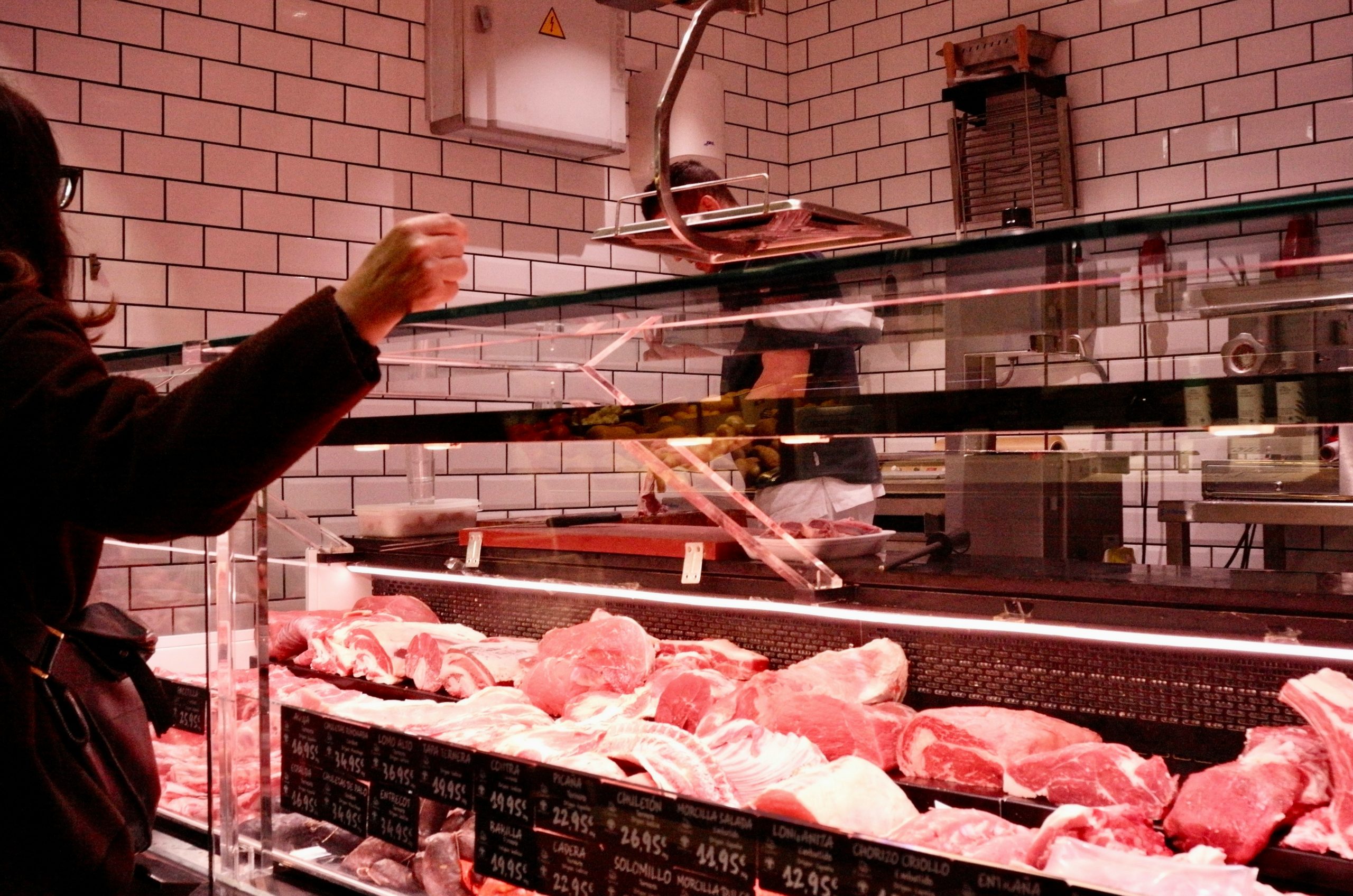
Cancer Prevention Recommendation
One of World Cancer Research Fund’s Cancer Prevention Recommendations is to limit red meat and eat very little, if any, processed meat.
This recommendation does not mean that everyone must stop eating meat.
It means that, for people who eat red meat, the amount matters. It also means that processed meat should be kept to a minimum because the evidence linking it with colorectal cancer is particularly strong.
The aim is to support long-term health by building a diet that is more balanced, more varied, and centred more often around plant foods such as wholegrains, vegetables, fruit, beans and pulses.
Why this matters
World Cancer Research Fund reports strong evidence that eating processed meat is a cause of colorectal cancer.
WCRF also reports that eating red meat is probably a cause of colorectal cancer.
This means the evidence is stronger for processed meat than it is for red meat, although both are important within cancer prevention guidance.
For people who currently eat high amounts of red or processed meat, reducing intake may be especially beneficial.
What counts as red meat?
Red meat means meat from mammals.
This includes beef, pork, lamb, mutton, veal, goat, horse and similar meats.
Red meat can provide important nutrients, including protein, iron, zinc and vitamin B12. However, it is not essential to a healthy diet, because these nutrients can also be obtained from other foods with careful food choices.
What counts as processed meat?
Processed meat is meat that has been altered to preserve it, change its flavour, or make it ready to eat through methods such as salting, curing, smoking, fermentation or similar processing.
Examples include bacon, ham, salami, chorizo, frankfurters and some sausages.
Some minced meat products may also count as processed meat, depending on how they have been made.
The important point is not only the type of meat, but whether it has been processed in a way that changes it for flavour, preservation or convenience.
How much red meat does WCRF recommend?
For people who eat red meat, WCRF recommends limiting intake to no more than about three portions per week.
This is roughly 350 to 500g cooked weight per week.
As a guide, 500g cooked red meat is approximately equivalent to 700 to 750g raw meat.
WCRF recommends eating very little, if any, processed meat.
Why processed meat is treated more cautiously
The evidence on processed meat is clearer than the evidence on red meat.
WCRF states that processed meat is a convincing cause of colorectal cancer. It also notes that there is no level of processed meat intake that can confidently be described as free from colorectal cancer risk.
For that reason, the recommendation is not simply to reduce processed meat a little, but to eat very little, if any.
How red and processed meat may affect cancer risk
The biological links between red and processed meat and colorectal cancer are complex.
WCRF highlights several possible mechanisms.
Cooking meat at high temperatures, especially grilling, barbecuing or cooking over flames, can create compounds that have been linked with cancer development in experimental studies.
Red and processed meat also contain haem iron. This type of iron may encourage the formation of certain compounds in the gut that can damage cells. Processed meat may also contain or lead to the formation of additional compounds connected with cancer risk.
These mechanisms help explain why both the amount and the type of meat matter.
What can you eat instead?
Limiting red and processed meat does not mean meals have to become boring, restrictive or joyless.
There are many alternatives that can provide protein and other nutrients.
These include:
- Beans, lentils, chickpeas and other pulses
- Wholegrains combined with legumes
- Fish
- Poultry
- Eggs
- Dairy foods
- Tofu, tempeh and other plant-based protein foods
- Nuts and seeds
For people who choose not to eat meat, careful food choices can provide enough protein, iron, zinc and vitamin B12. Some people may need personalised advice, especially if they are vegan, pregnant, older, managing a health condition, or recovering from illness.
A note on fish
Fish can be a useful alternative to red and processed meat.
However, WCRF highlights a specific exception: Cantonese-style salted fish should not be eaten because of its link with nasopharyngeal cancer. This is a particular type of preserved fish associated with specific food traditions and preservation methods.
This is different from most other types of fish.
Practical ways to limit red and processed meat
Small changes can make this recommendation easier to follow.
Helpful steps include:
- Keeping processed meat for rare occasions, or avoiding it altogether
- Reducing portion sizes of red meat
- Having more meat-free meals each week
- Replacing bacon, ham or salami with less processed options
- Using beans, lentils or chickpeas in stews, soups, sauces and salads
- Choosing fish, poultry, eggs or plant-based proteins more often
- Treating red meat as a smaller part of the meal, rather than the centre of the plate
- Exploring traditional dishes built around vegetables, pulses and grains
- Planning simple meals so processed meat does not become the default choice
The aim is not to shame anyone for what they eat. The aim is to make the healthier choice easier, more often.
A compassionate note
Meat is part of many cultures, traditions, family meals and memories.
For some people, reducing red or processed meat may feel simple. For others, it may be shaped by habit, cost, access to food, cooking skills, work patterns, family preferences or cultural identity.
This recommendation should be approached with respect.
Cancer prevention is not about blaming individuals. It is about understanding the evidence and making realistic changes where possible.
Even a gradual reduction can be a meaningful step.
From the road
Across Europe, food tells the story of place.
Every country has its own traditions, from stews and grilled meats to beans, breads, grains, fish, vegetables, herbs and slow-cooked meals shared around a table.
This recommendation does not ask us to erase food culture. It asks us to look at our everyday patterns with care.
As I cycle through Europe in memory of my mum, food is one of the ways I meet people. It is how stories are shared, how families remember, how strangers become friends.
My mum loved to cook. Her food carried love, comfort and home.
This journey is an invitation to keep that love alive while also asking how our meals can support healthier lives, reduce cancer risk where possible, and help build a future with less cancer.
Source and attribution
This page is based on World Cancer Research Fund’s Cancer Prevention Recommendation: Limit consumption of red and processed meat.
Please visit the World Cancer Research Fund website to read the full recommendation and evidence summary.
Important note
This page is for general information only. It is not medical advice and should not replace guidance from your GP, dietitian or another qualified health professional.



Leave a Reply