Cancer Prevention Recommendation
One of World Cancer Research Fund’s Cancer Prevention Recommendations is to limit alcohol consumption.
For cancer prevention, WCRF’s advice is clear: it is best not to drink alcohol.
If you do drink alcohol, WCRF recommends staying within your national guidelines. Children and pregnant women should not drink alcohol.
This recommendation is not about judging people. It is about being honest about the evidence and helping more people understand the link between alcohol and cancer risk.
Why this matters
World Cancer Research Fund reports strong evidence that drinking alcohol increases the risk of several cancers.
The evidence is particularly strong for cancers of the mouth, pharynx and larynx, oesophagus, post-menopausal breast, liver and colorectum.
WCRF also reports probable evidence that alcohol increases the risk of stomach cancer and pre-menopausal breast cancer.
The important message is that cancer risk is linked to the amount of alcohol consumed and how often alcohol is consumed.
WCRF states that, for at least some cancers, there is no level of alcohol consumption below which risk does not increase.
Does the type of alcohol matter?
All alcoholic drinks are relevant to this recommendation.
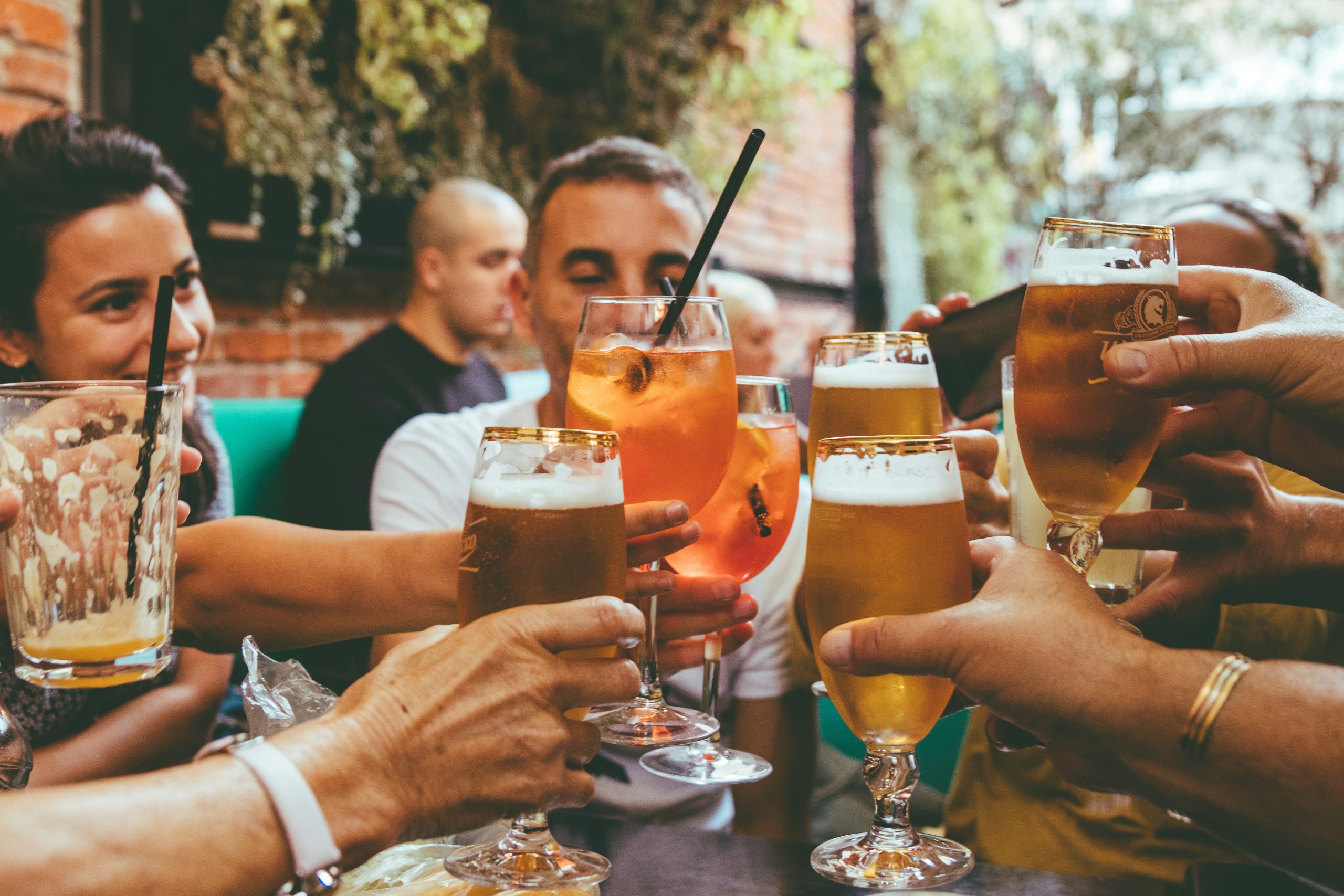
Beer, wine, spirits, liqueurs, cocktails and other alcoholic drinks can all contribute to cancer risk.
The main issue is the alcohol itself, also known as ethanol, rather than the particular type of drink.
This means that switching from one type of alcoholic drink to another does not remove the cancer prevention concern.
What does “limit alcohol” mean?
For cancer prevention, the strongest choice is not to drink alcohol.
For people who do drink, limiting alcohol means drinking less often, drinking smaller amounts, and staying within national low-risk drinking guidelines.
Different countries may have different guidance, so it is sensible to check the public health advice where you live.
The aim is not to encourage people who do not drink to start drinking. Alcohol should not be used for any supposed health benefit.
How alcohol may affect cancer risk
The relationship between alcohol and cancer is complex, but several biological pathways may help explain the link.
When the body breaks down alcohol, it produces acetaldehyde. This substance can damage DNA and interfere with the body’s ability to repair it.
Alcohol may also increase oxidative stress, affect hormones, and make it easier for other harmful substances, such as those from tobacco smoke, to enter cells.
Heavy drinking can also be linked with poorer diet quality and lower intake of important nutrients, which may make tissues more vulnerable to damage.
These mechanisms help explain why alcohol is treated as a cancer prevention issue, not just a liver health issue.
Alcohol and other health conditions
Alcohol is linked with many health problems beyond cancer.
These include liver disease, pancreatitis, cardiovascular disease, some infectious diseases, stroke, atrial fibrillation and early dementia.
Although some studies have suggested possible benefits from very low alcohol intake for certain heart outcomes in specific groups, WCRF does not recommend drinking alcohol for health reasons.
For cancer prevention, it is best not to drink alcohol.
Practical ways to reduce alcohol
Reducing alcohol can be easier when the change is practical and realistic.
Helpful steps include:
- Choosing alcohol-free days each week
- Replacing alcoholic drinks with water, sparkling water, tea, or other unsweetened drinks
- Trying alcohol-free beer, wine or spirits if they help you reduce intake
- Choosing smaller servings
- Alternating alcoholic drinks with water
- Avoiding keeping alcohol at home if it makes drinking less easier
- Planning social activities that do not centre on alcohol
- Noticing when you drink from stress, habit, loneliness or tiredness
- Asking for support if cutting down feels difficult
For some people, stopping or reducing alcohol can be challenging. If you drink heavily or feel dependent on alcohol, it is important to seek professional support before making sudden changes.
A wider issue
Alcohol is not only an individual choice.
It is shaped by culture, advertising, price, availability, social pressure, celebration, stress, grief, work routines and the places people live.
In many countries, alcohol is deeply normalised. It is present at meals, festivals, weddings, sporting events, work gatherings and moments of sadness or celebration.
This is why cancer prevention also needs healthier environments, better public awareness, responsible marketing and policies that make it easier for people to drink less.
A compassionate note
Alcohol can be a sensitive subject.
For some people, it is occasional and social. For others, it may be connected with stress, pain, trauma, loneliness or dependence.
This recommendation should never be used to shame anyone.
It should be an invitation to understand the evidence and make changes where possible, with support when needed.
Reducing alcohol is not a moral judgement. It is a health choice.
From the road
Across Europe, alcohol is part of many traditions: wine at the table, beer after a ride, spirits at celebrations, toasts between friends.
This journey is not about judging culture or taking away joy.
It is about asking honest questions with kindness.
What do our everyday habits do to our long-term health? Which traditions nourish us? Which ones might we need to rethink? How can we create social moments that do not always depend on alcohol?
As I cycle across Europe in memory of my mum, I want these conversations to feel human, respectful and useful.
Cancer prevention is not about fear. It is about knowledge, choice, support and hope.
Sometimes a healthier future begins with a simple decision: tonight, I will choose something else.
Source and attribution
This page is based on World Cancer Research Fund’s Cancer Prevention Recommendation: Limit alcohol consumption.
Please visit the World Cancer Research Fund website to read the full recommendation and evidence summary.
Important note
This page is for general information only. It is not medical advice and should not replace guidance from your GP, dietitian or another qualified health professional.

Leave a Reply